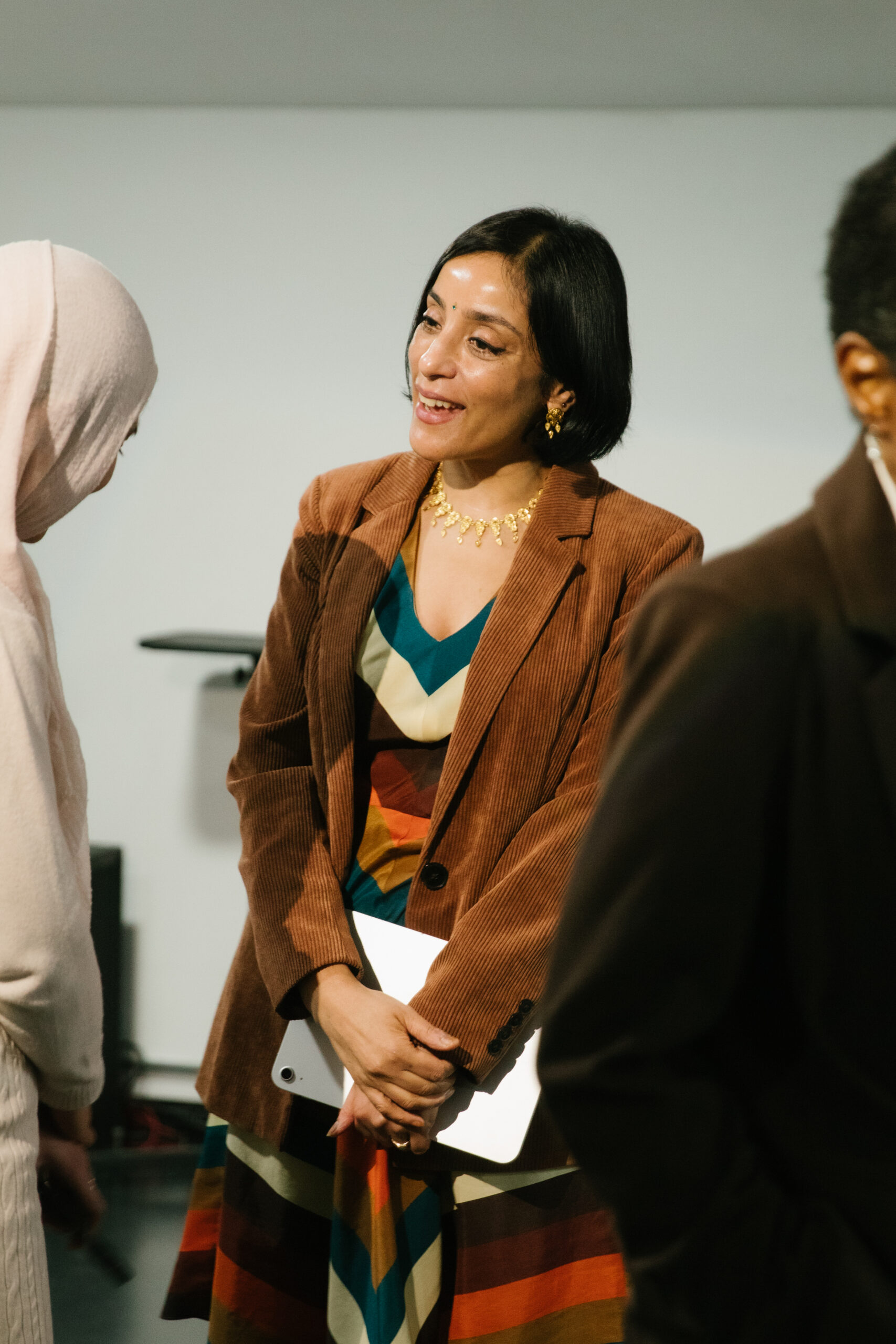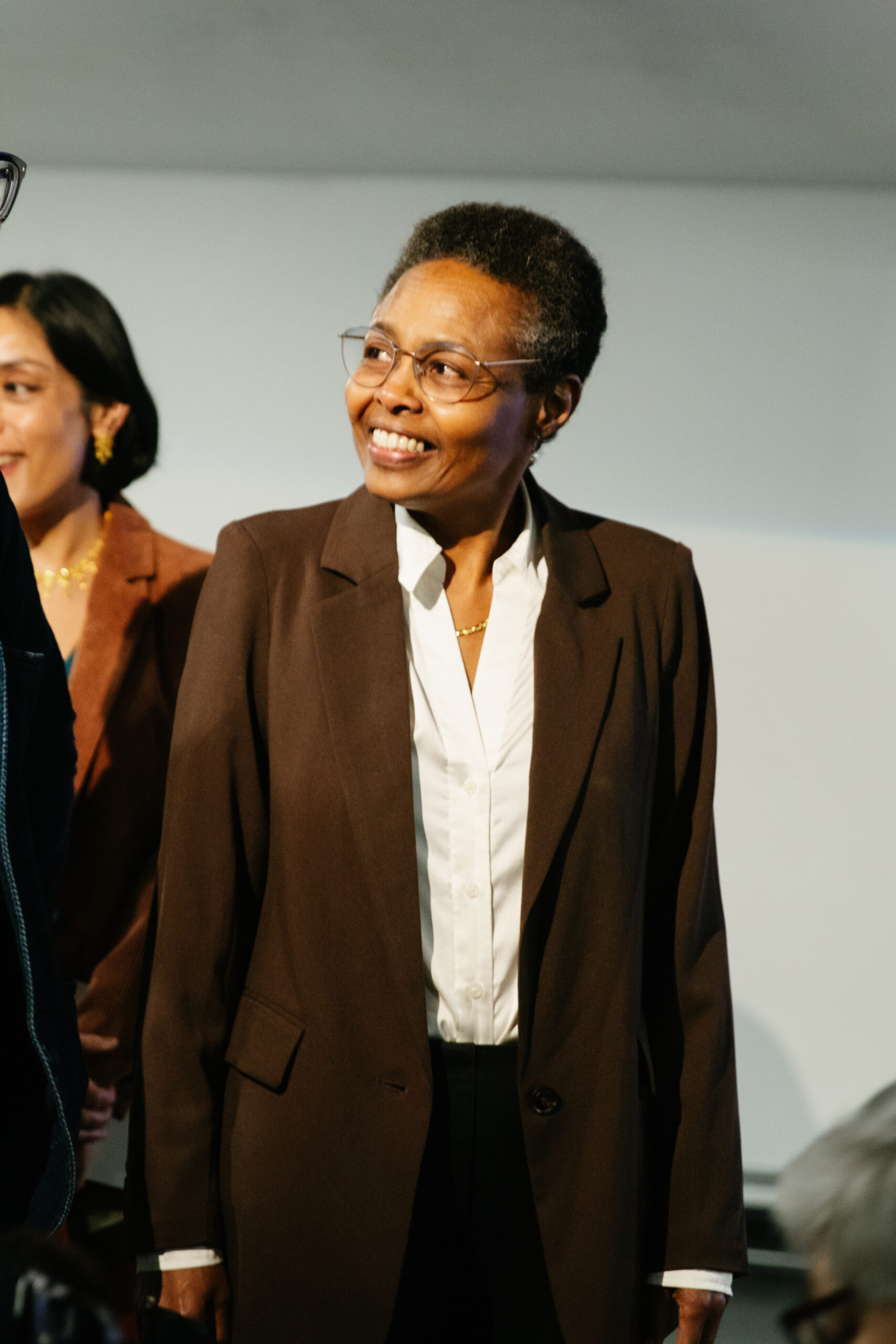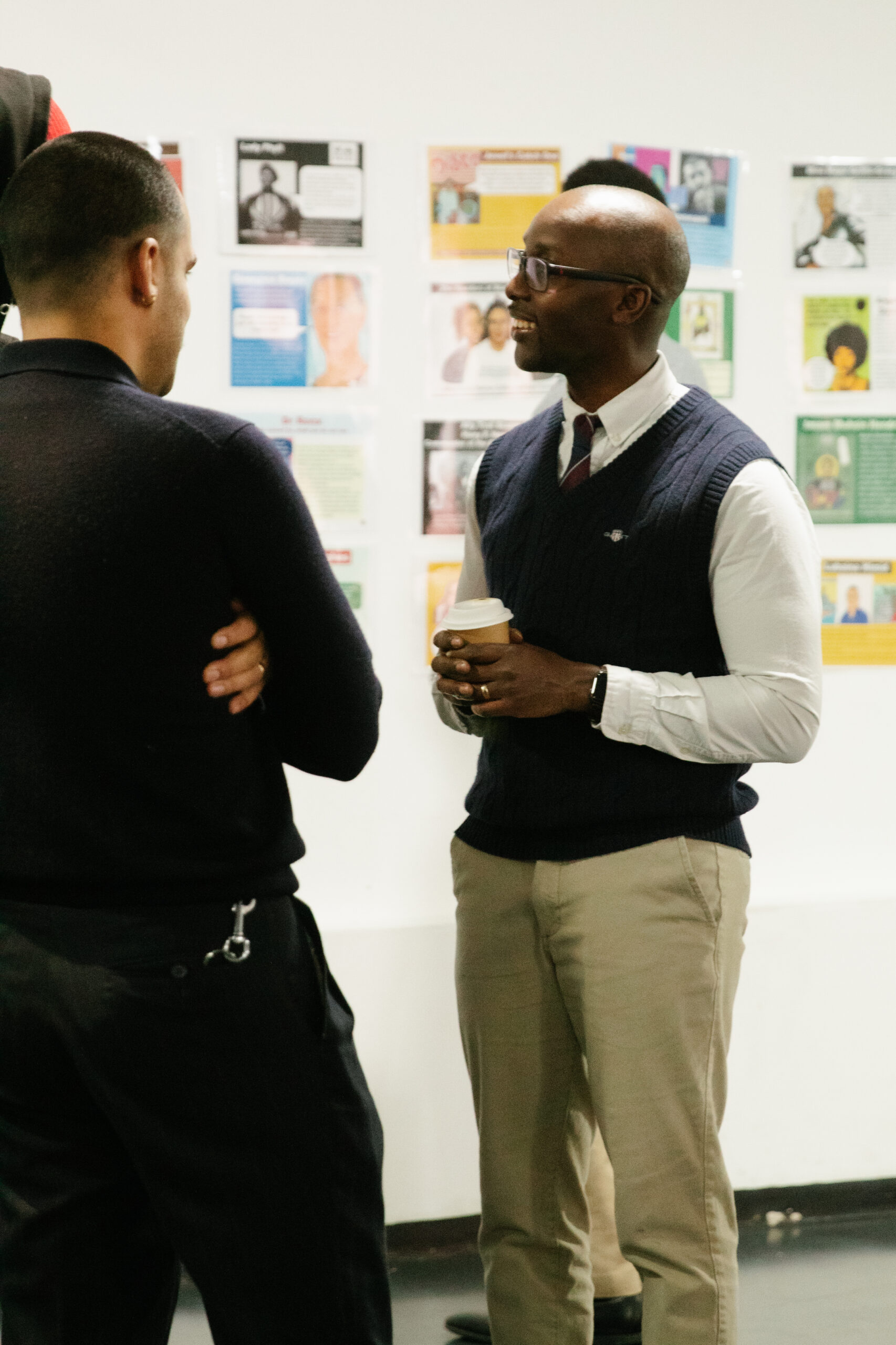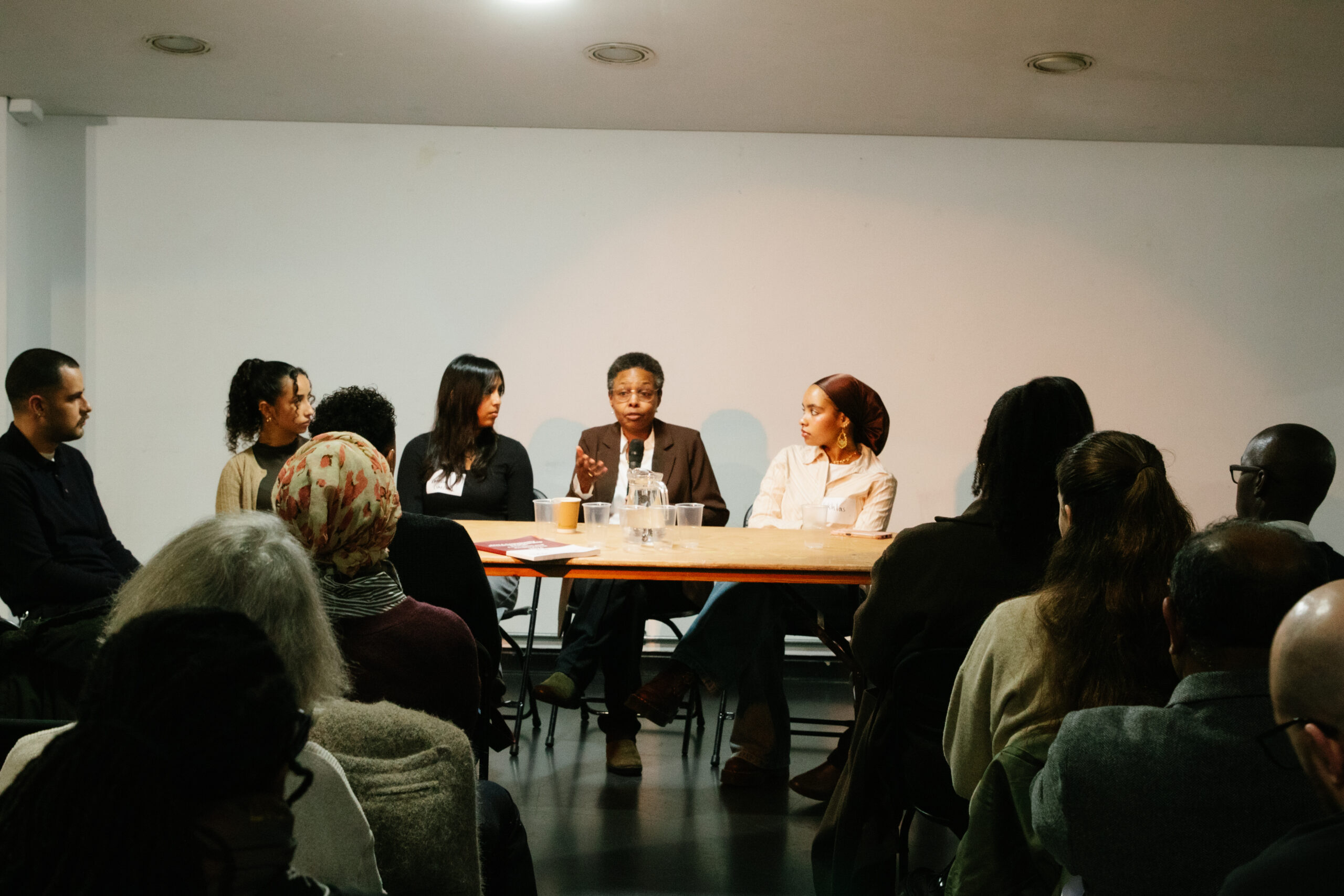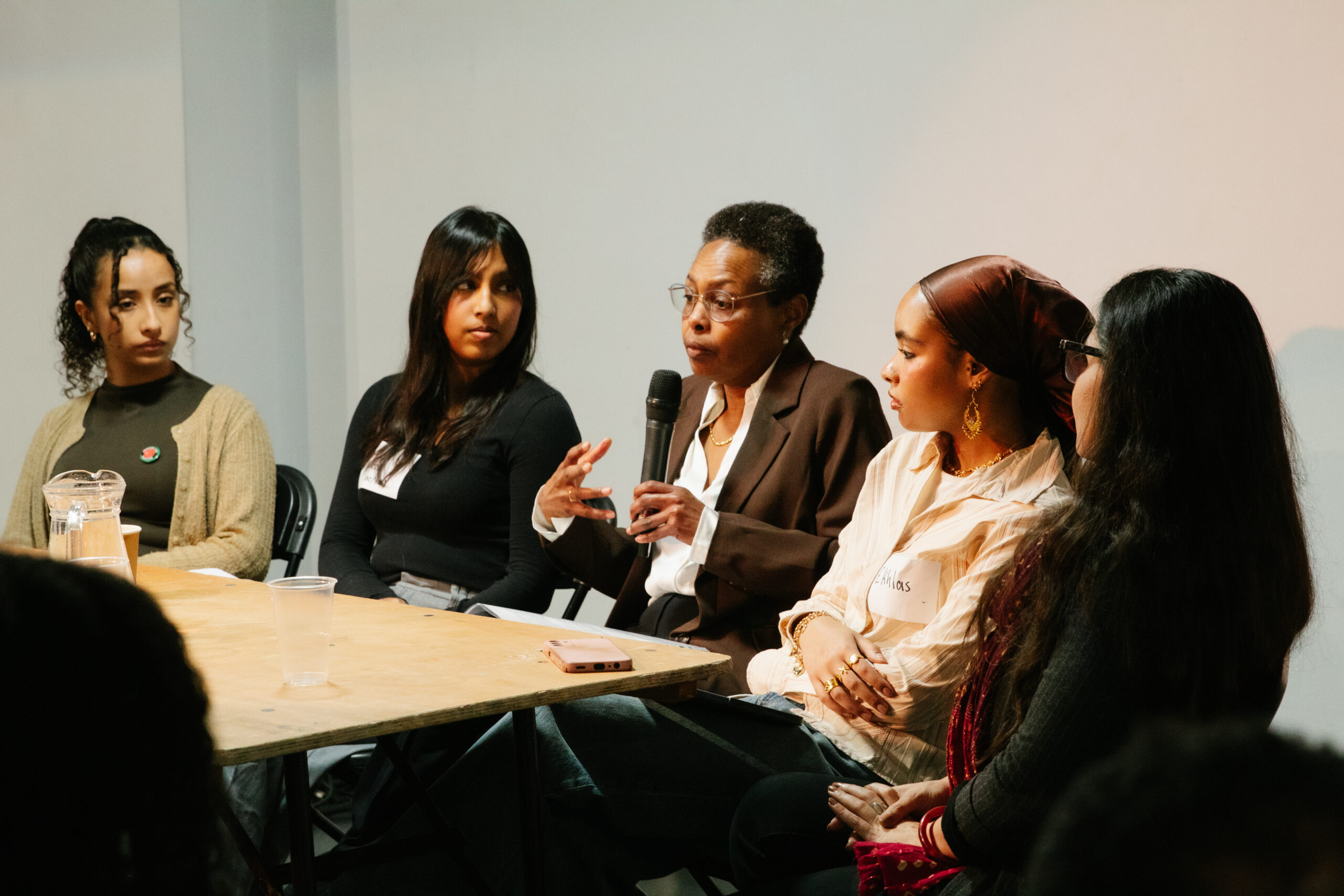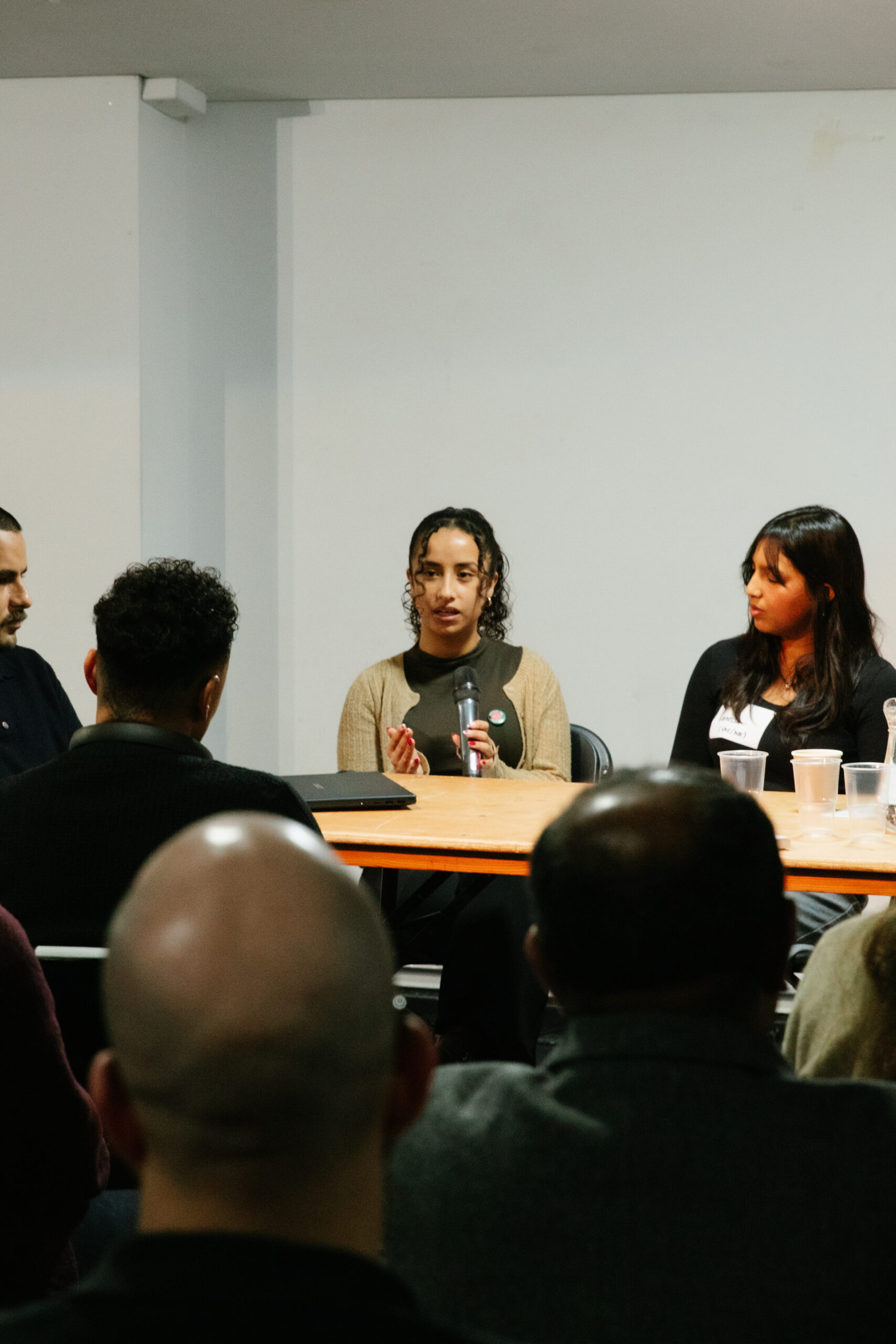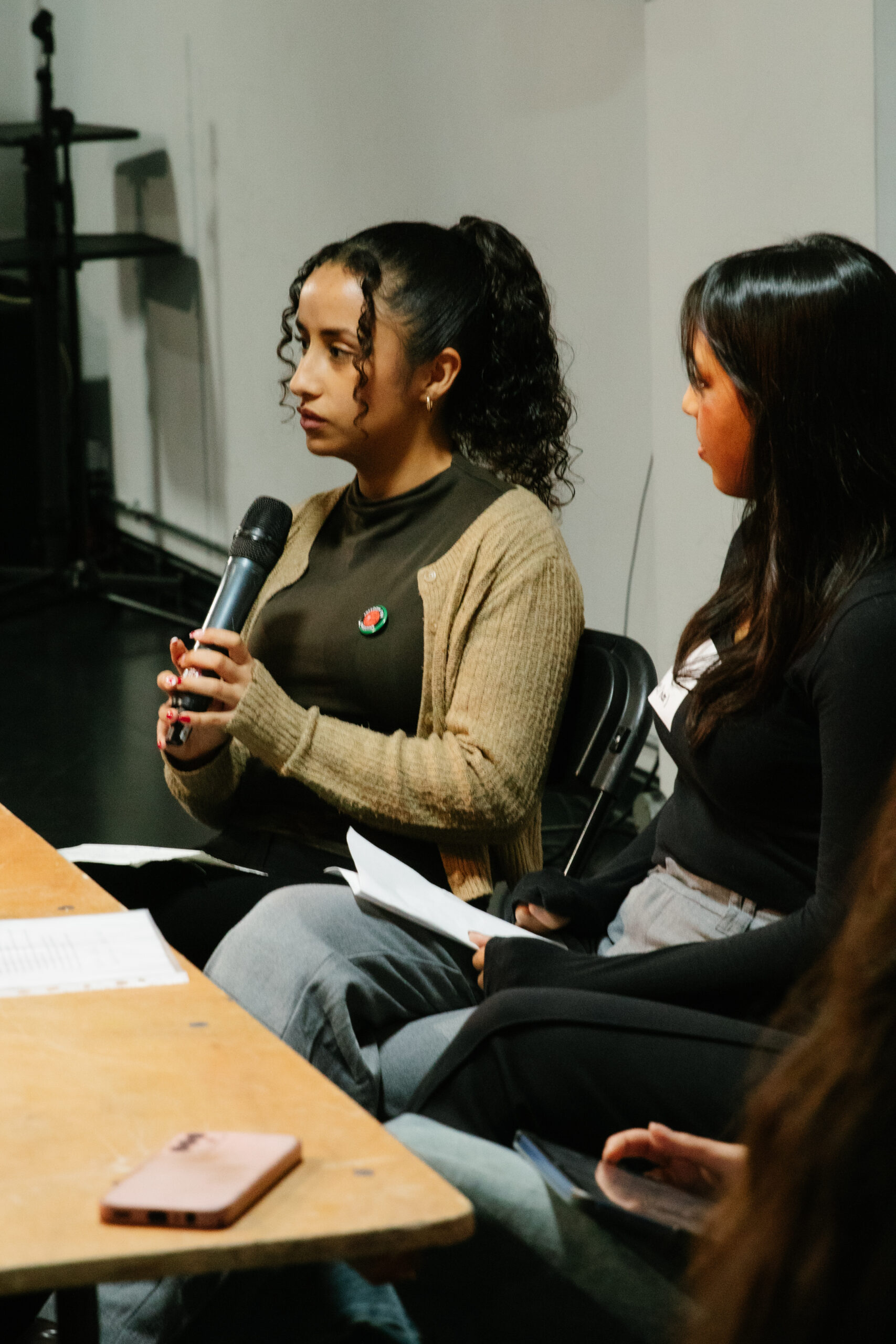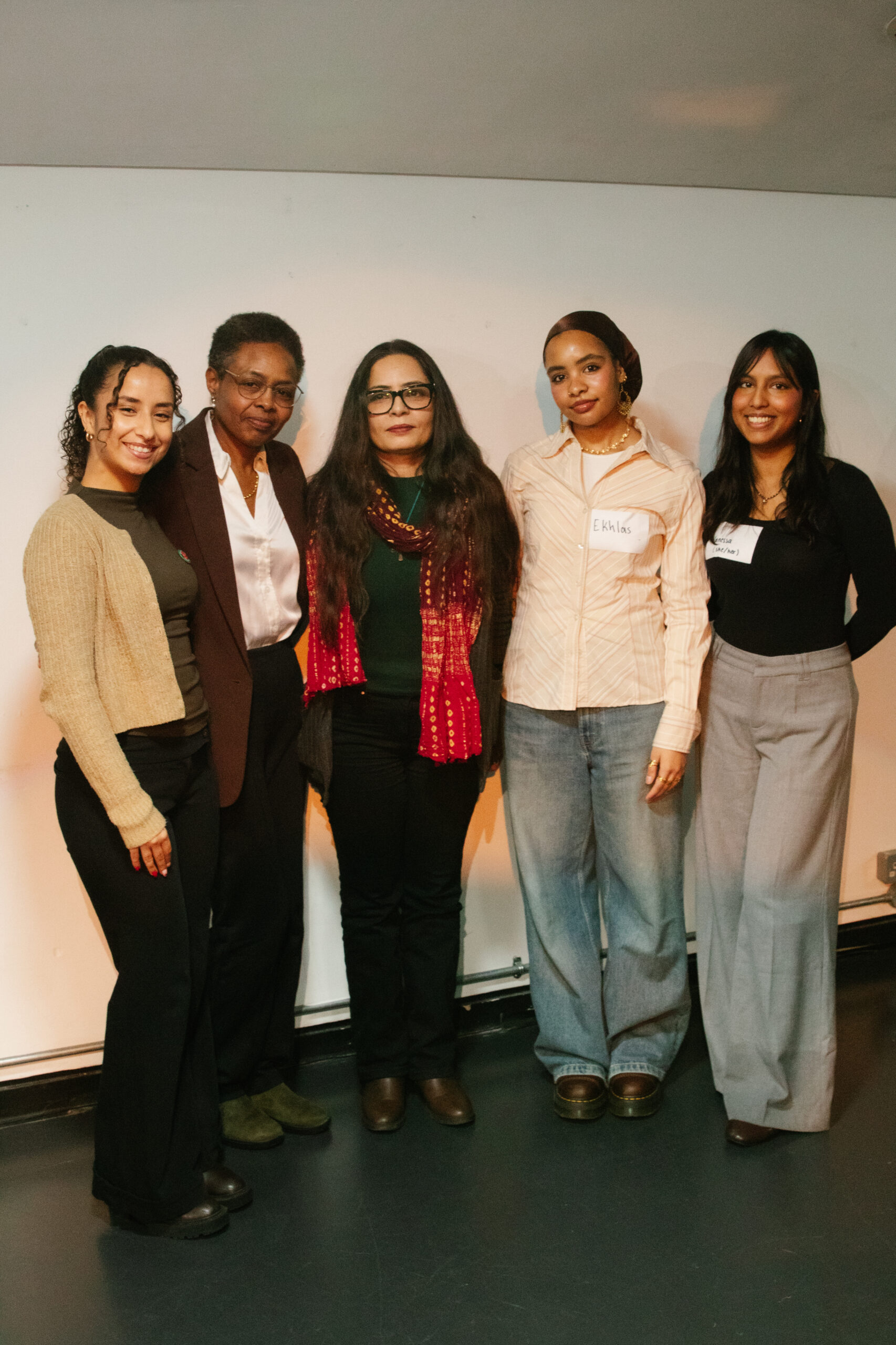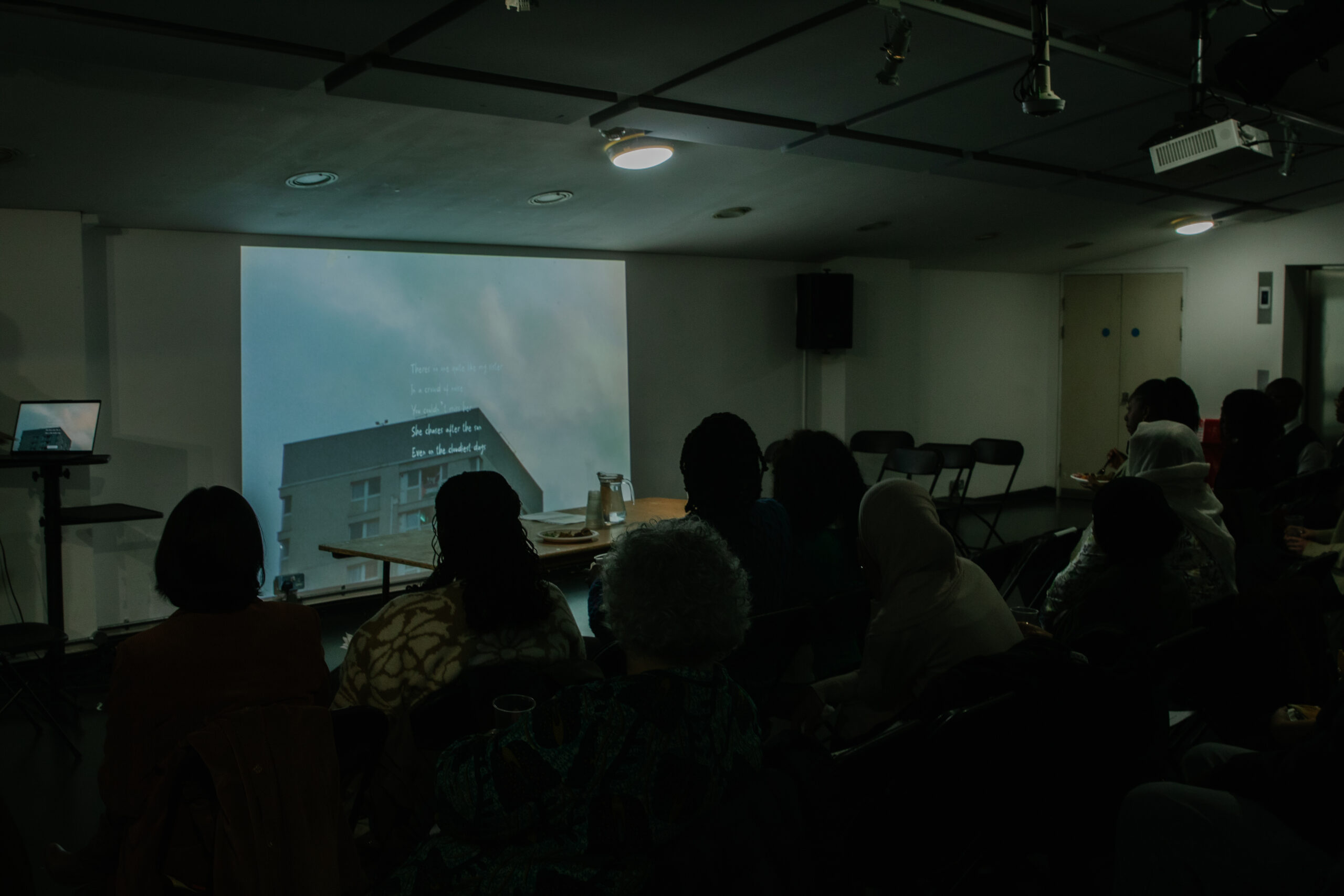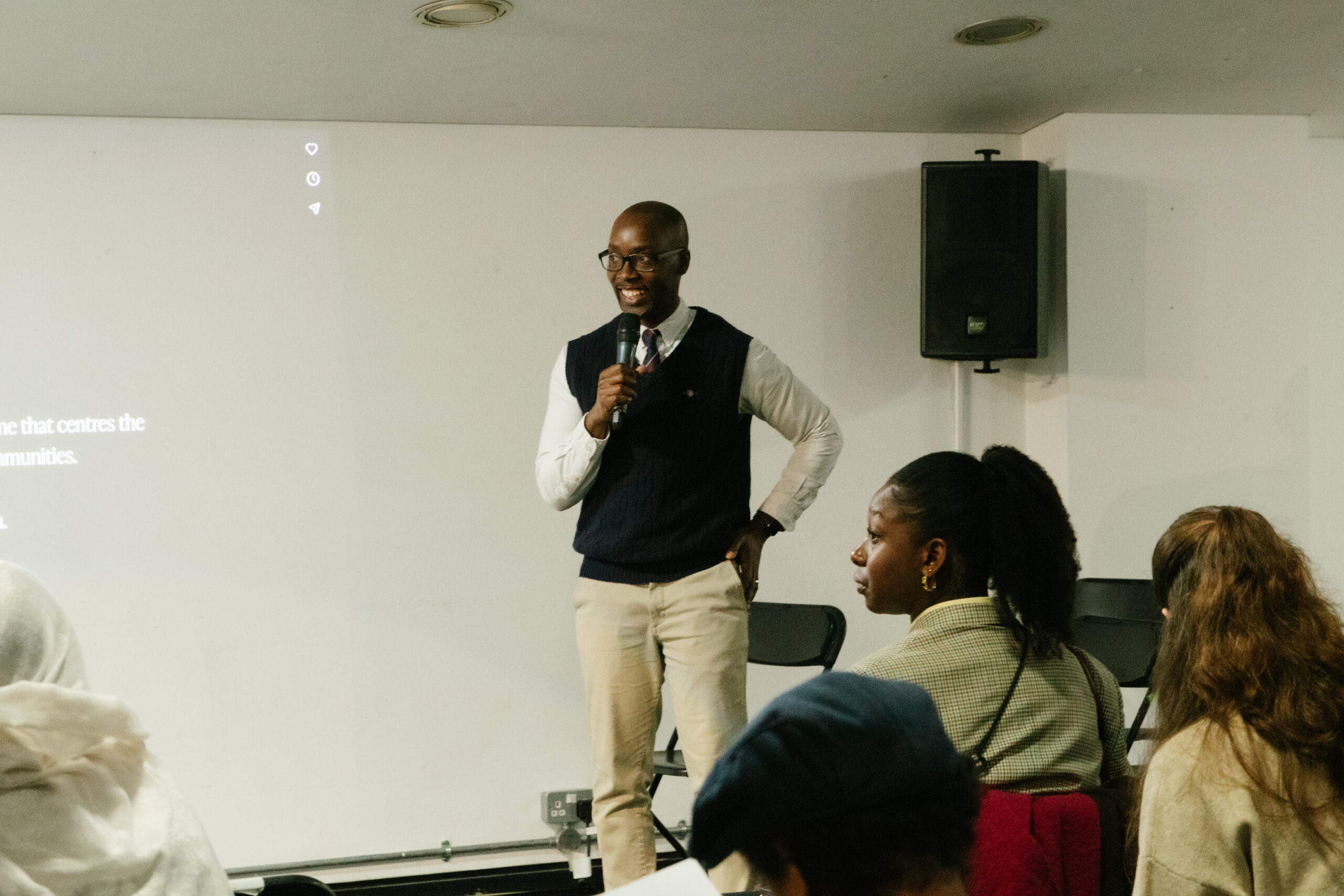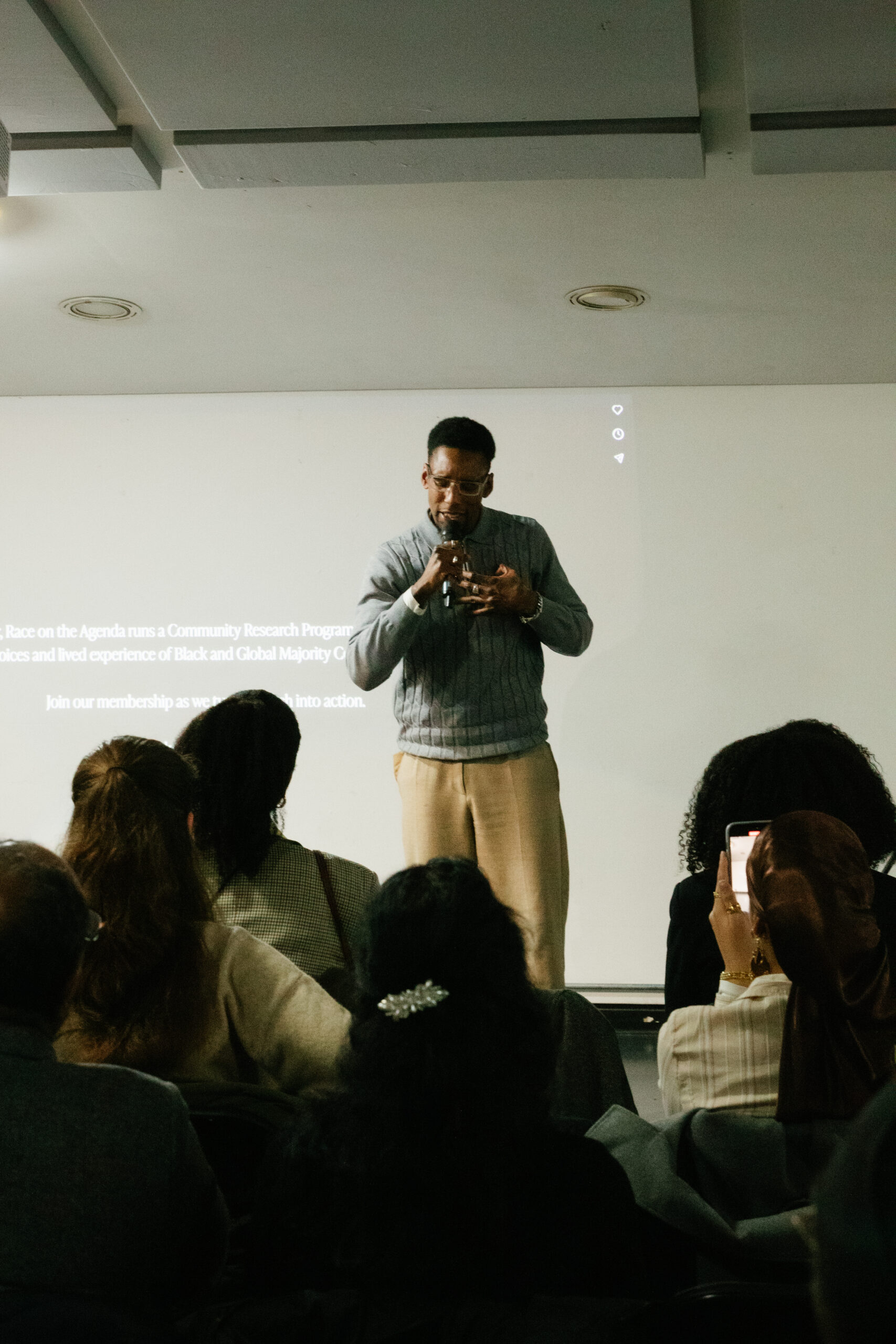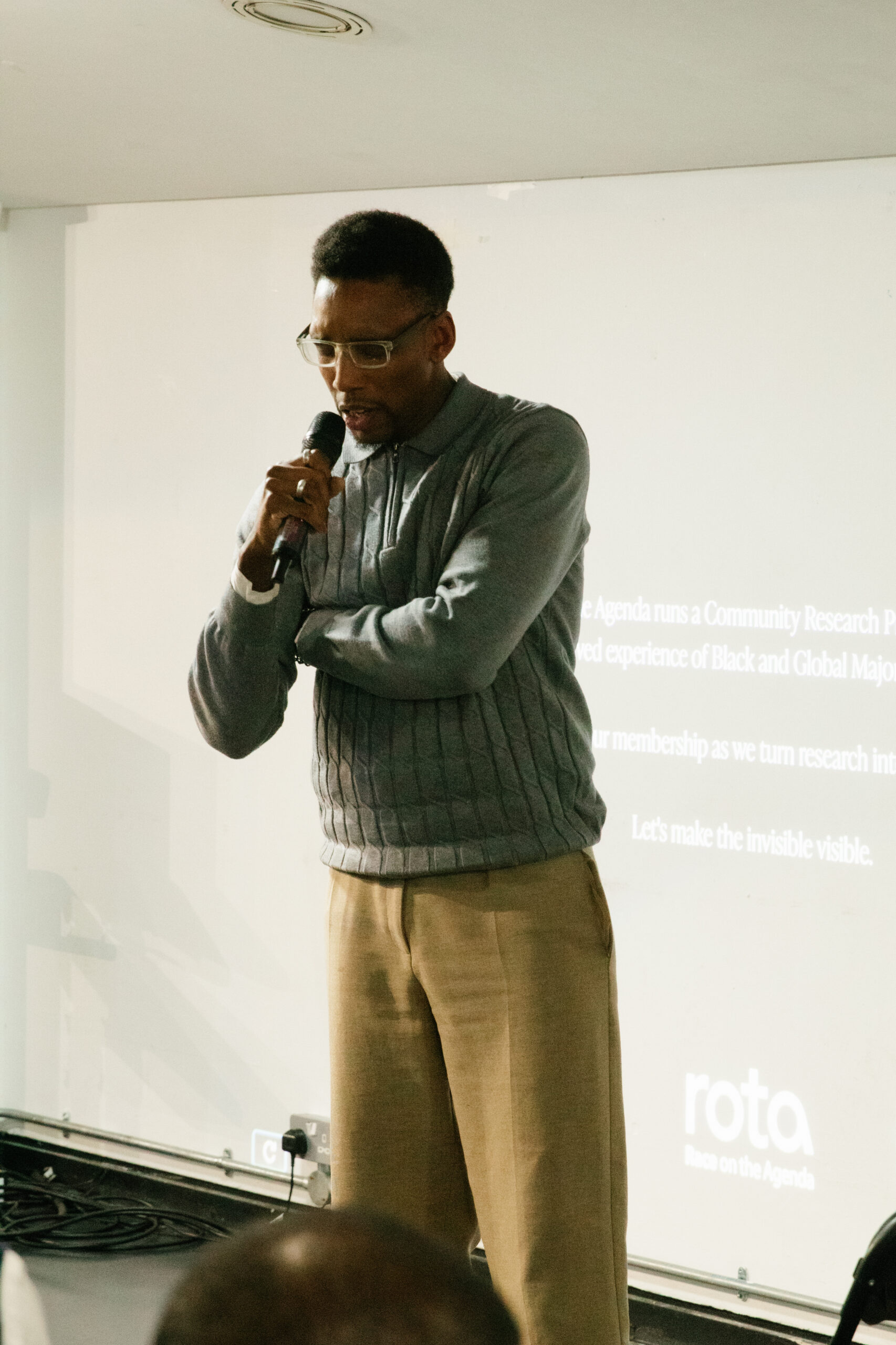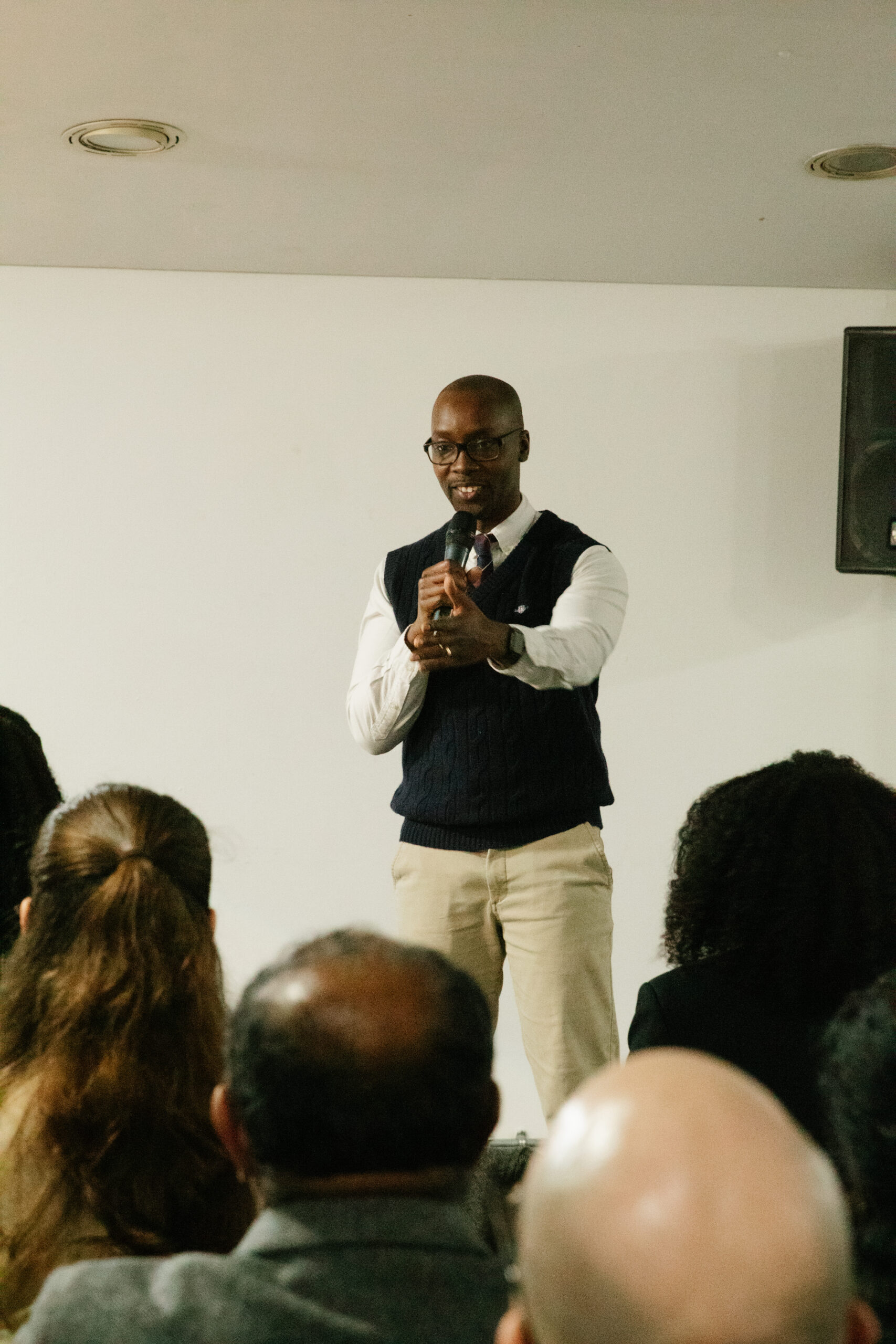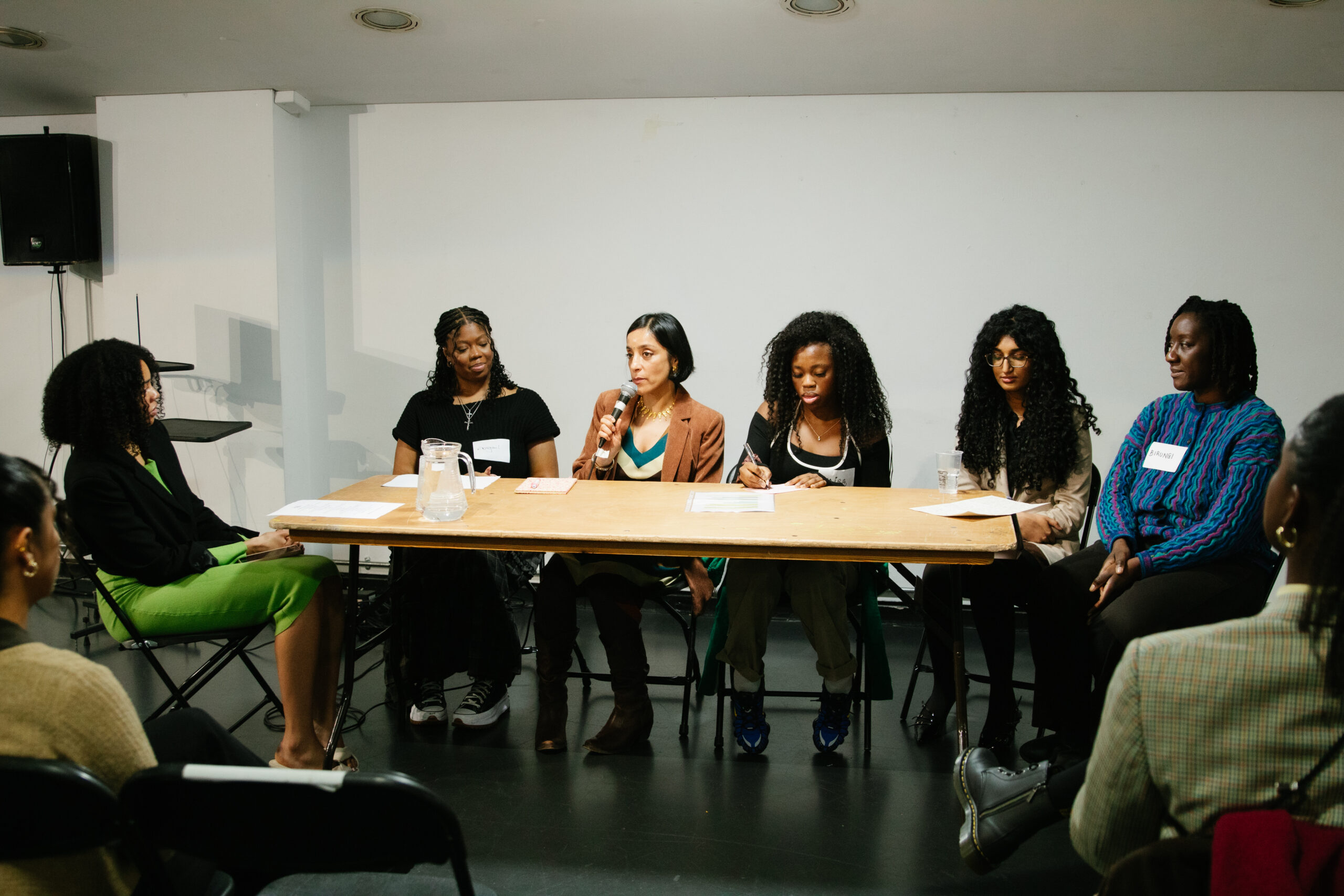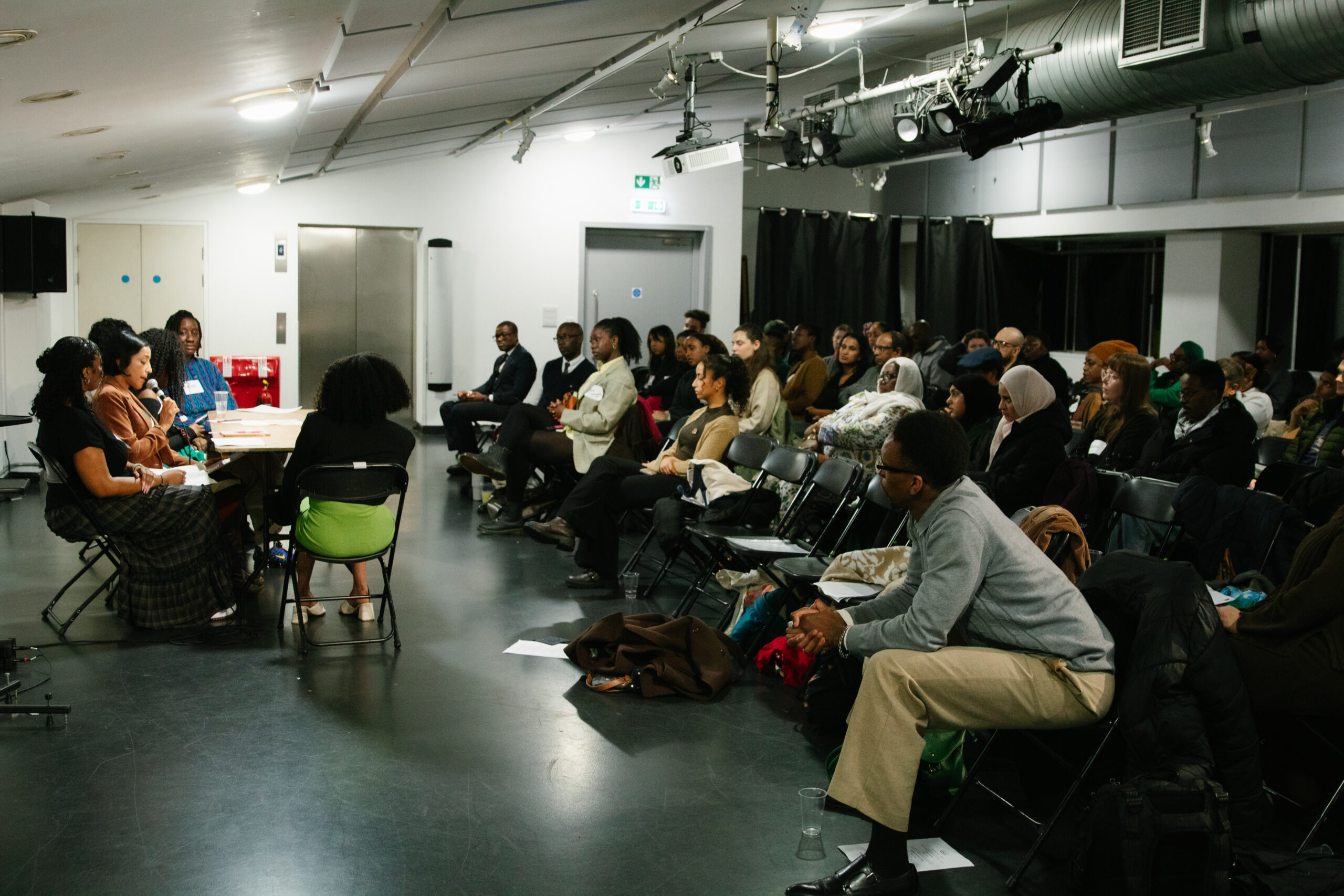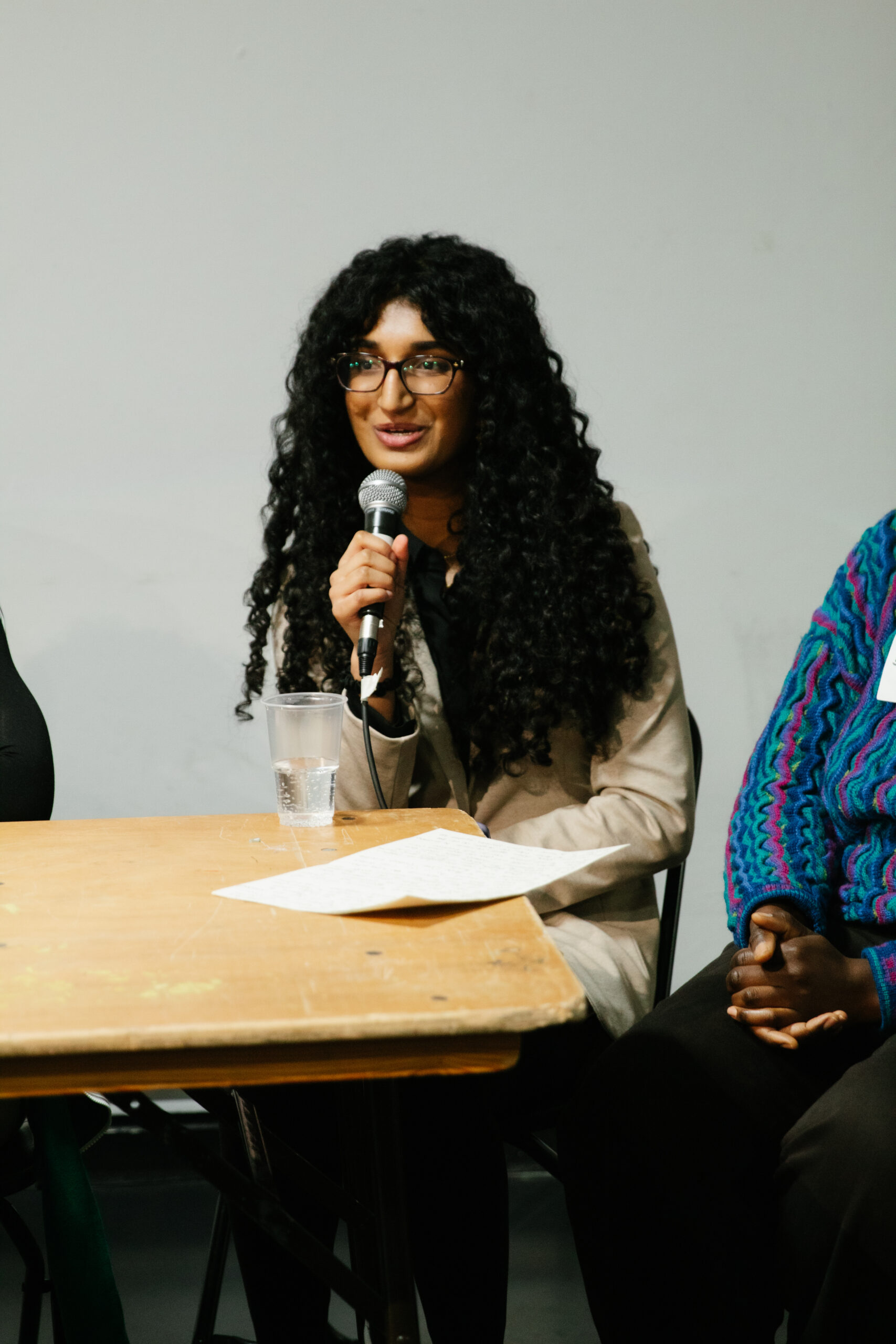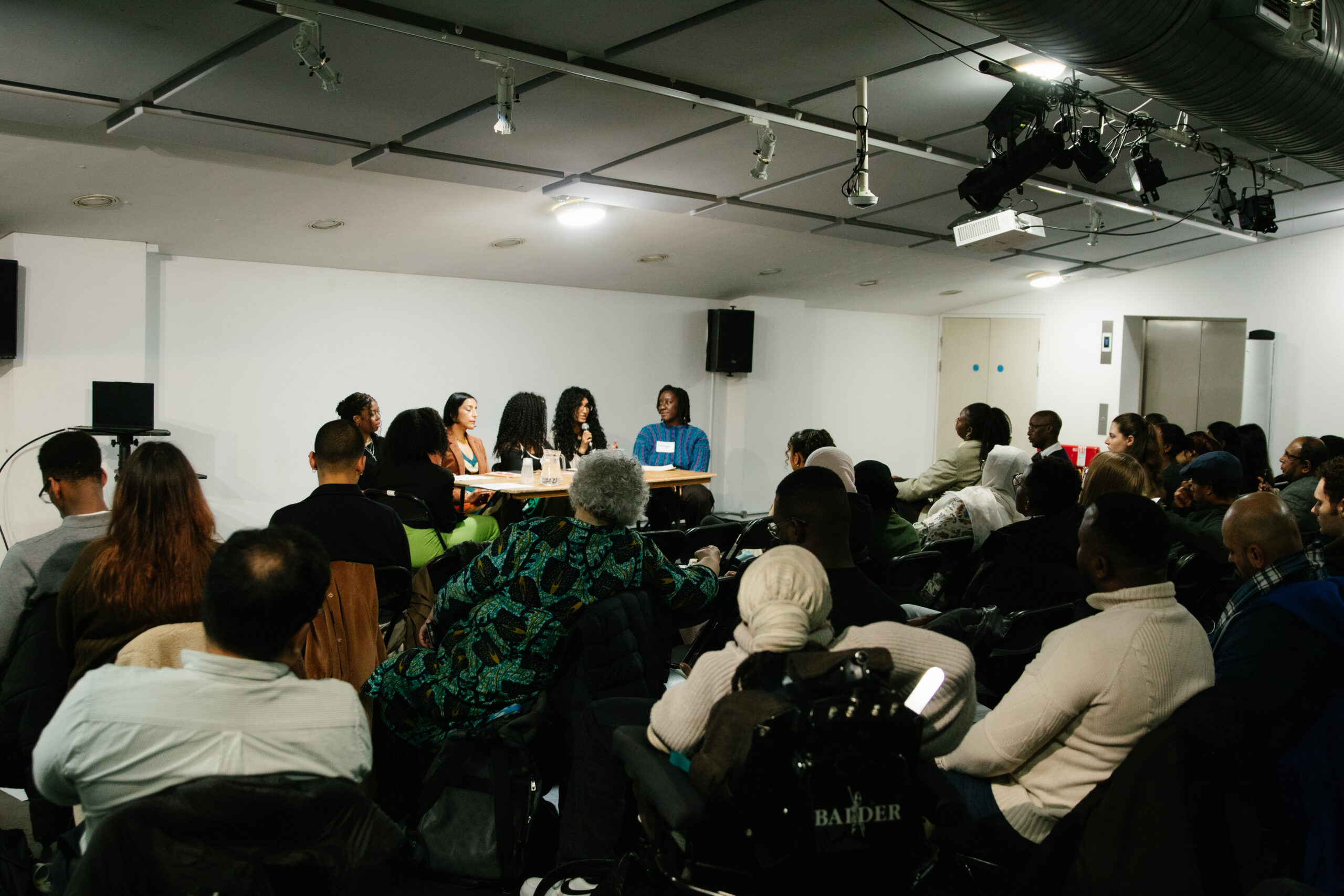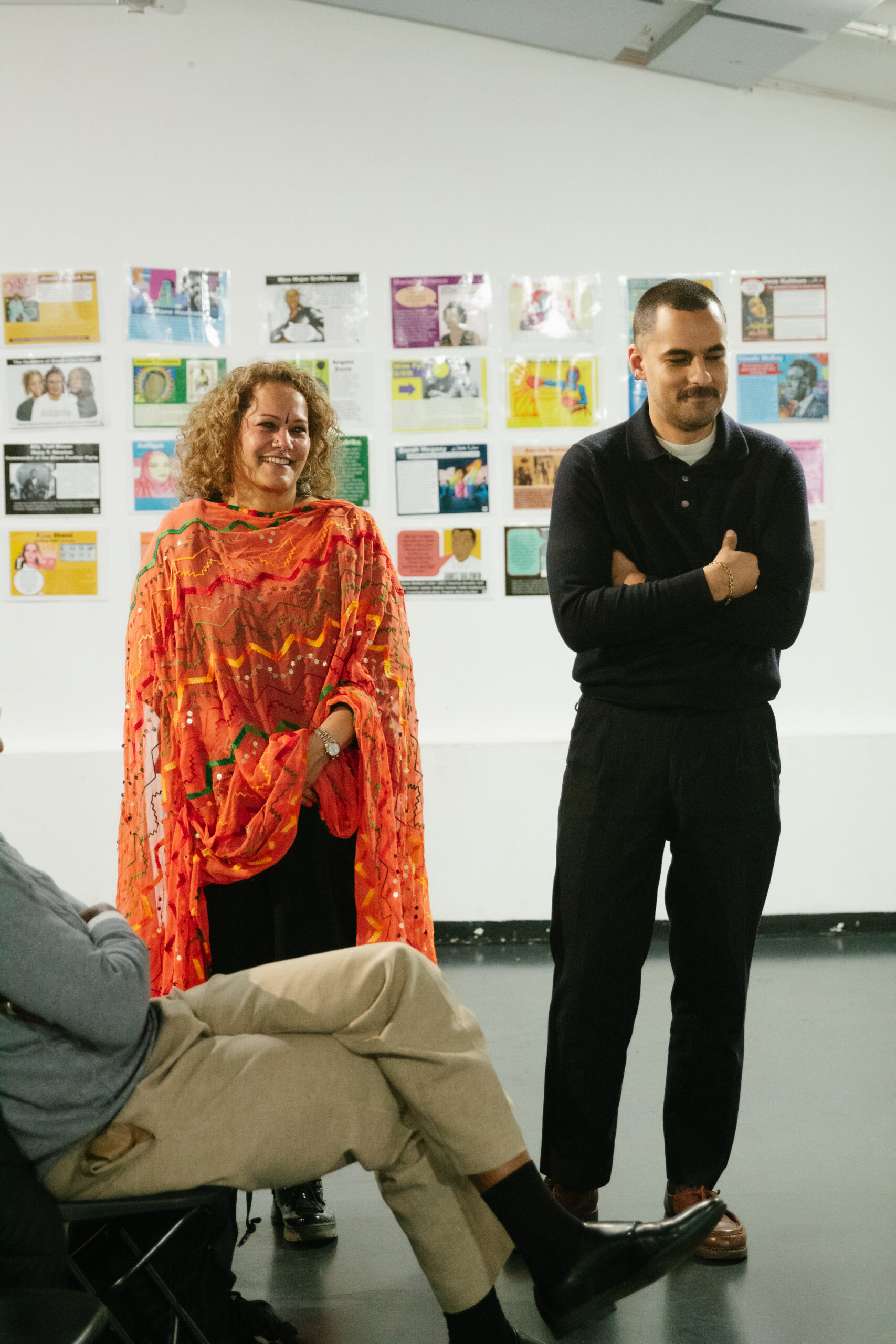
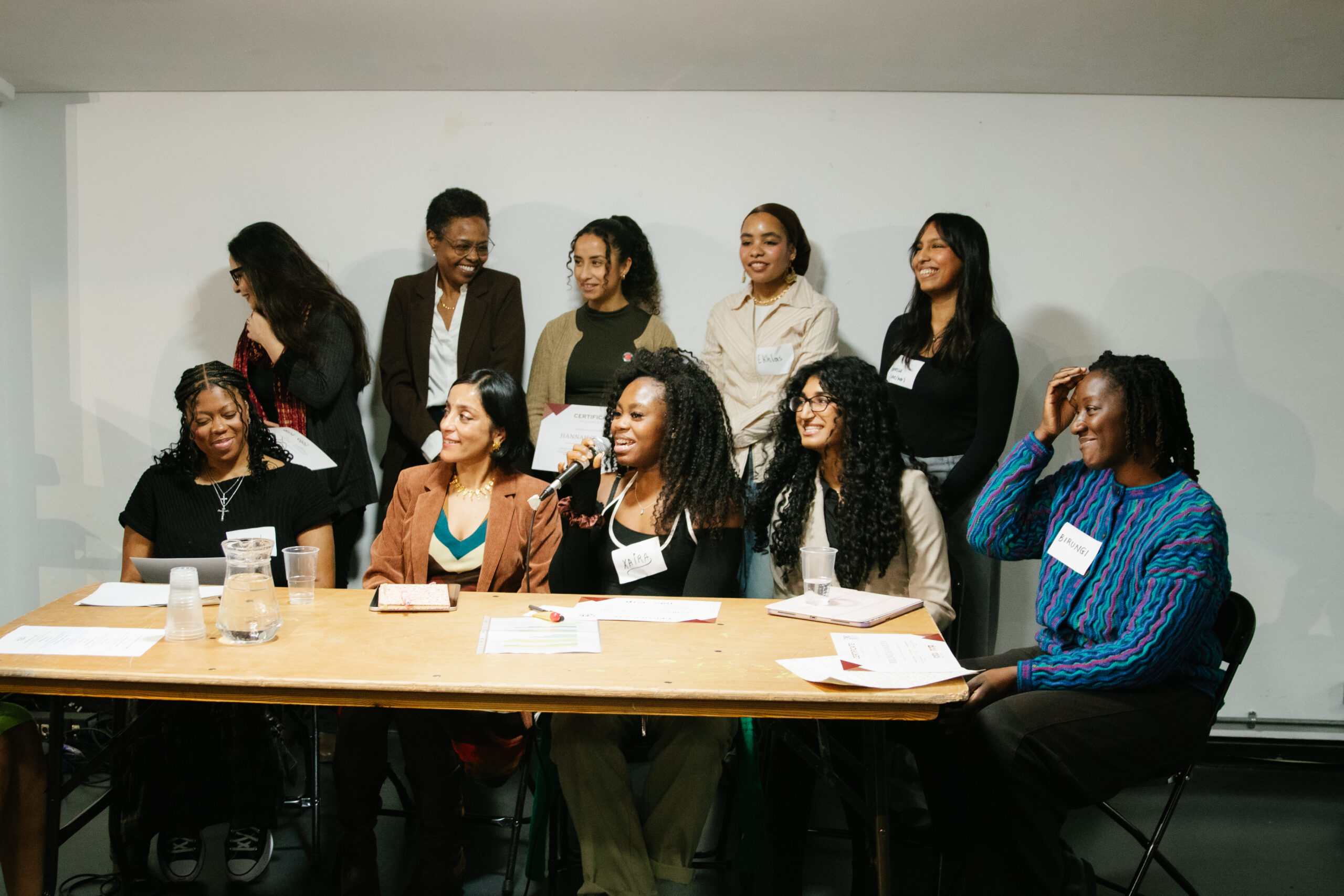
On Thursday, 5th February, we launched the second annual report from the ROTA Community Research Partnership (RCRP) with our ten outstanding Peer Researchers.
Their research this year was focused on the themes of housing, healthcare, and wellbeing – two areas where the Black and Global Majority in London face significant discrimination, and where key policy decisions have been made without the meaningful involvement of our communities.
The work of our Peer Researchers is a challenge to these injustices.
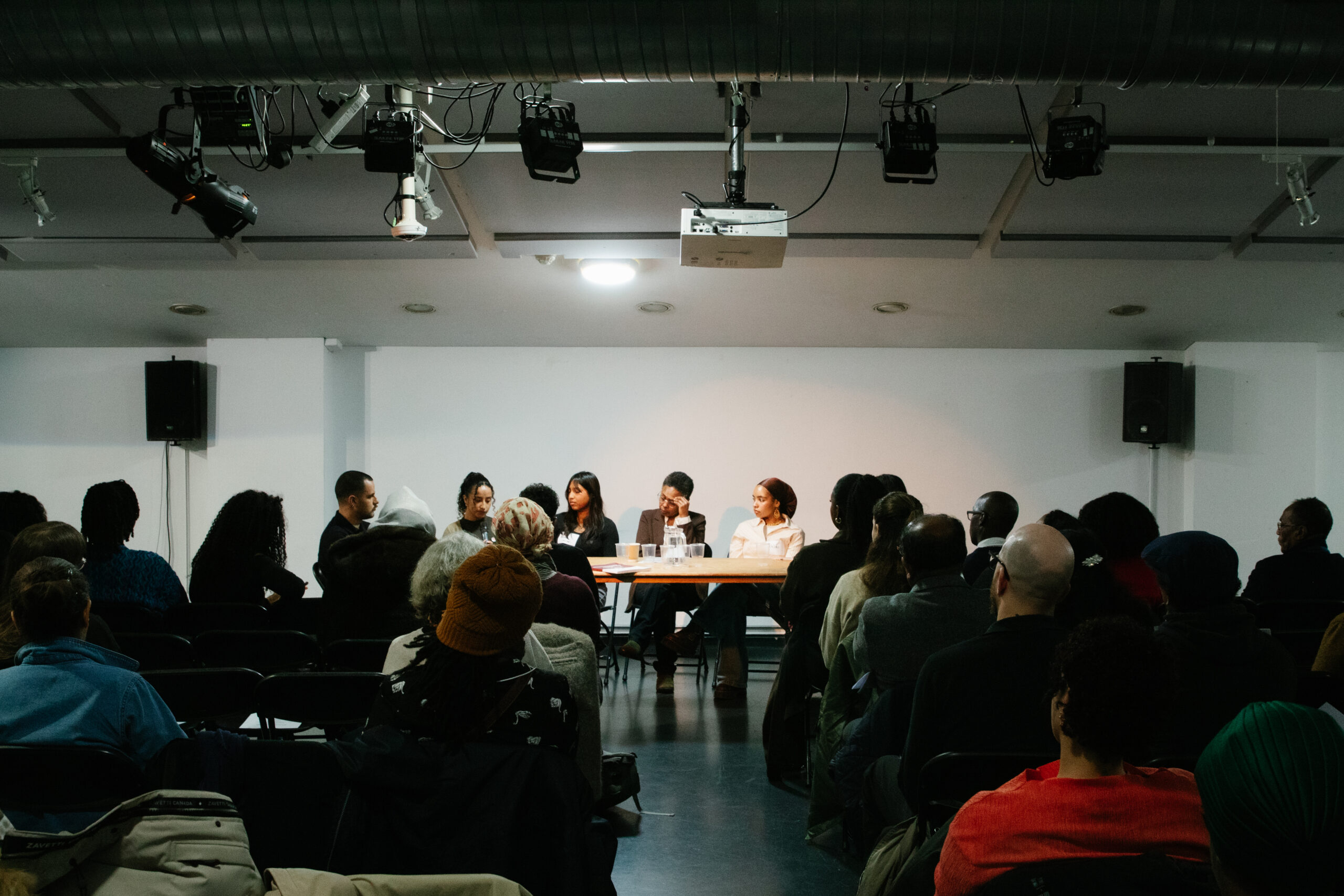
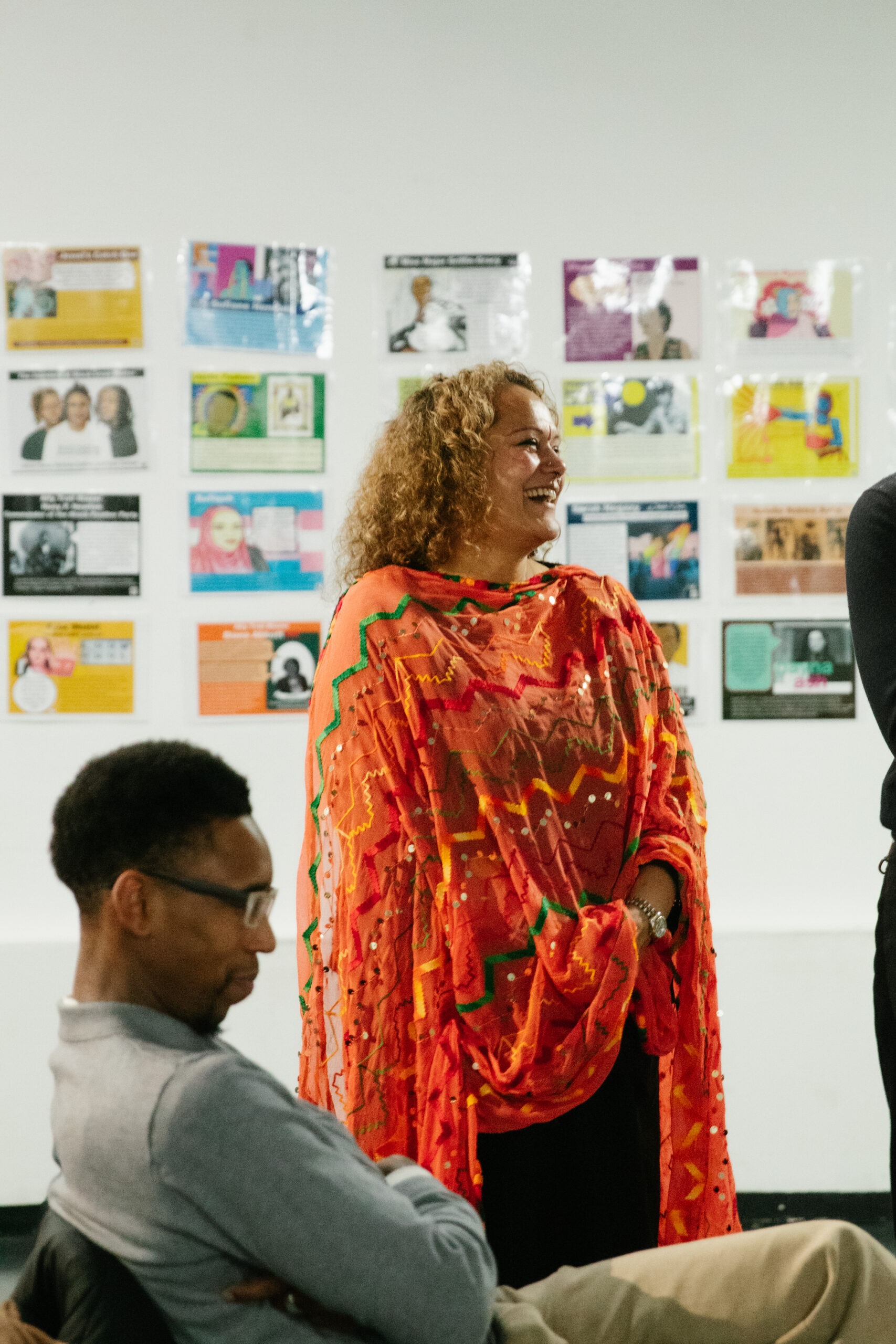
The event was a sell-out, and we were very pleased to welcome so many of our members, representatives from our partner organisations, policymakers, and friends to hear about this vital work.
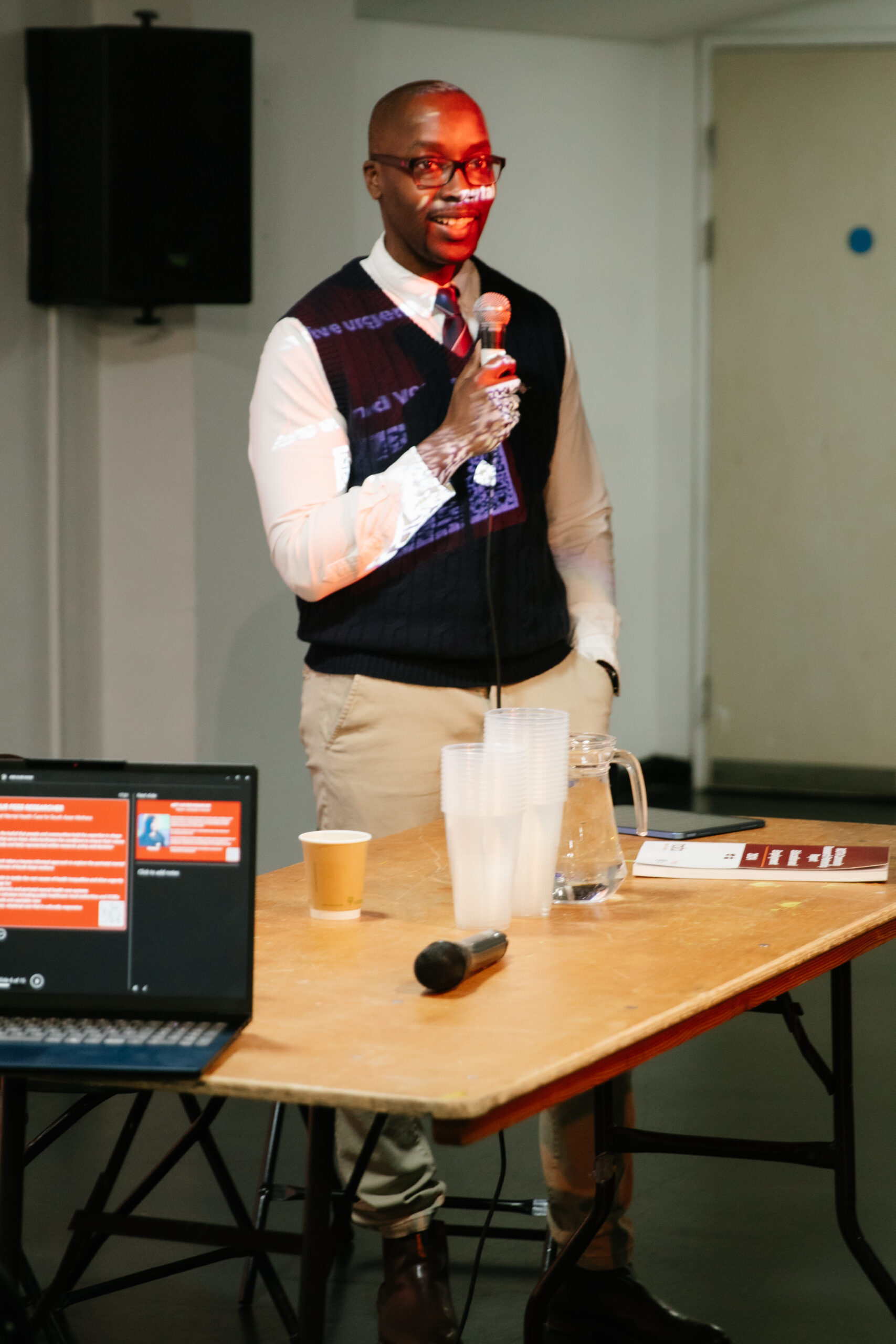
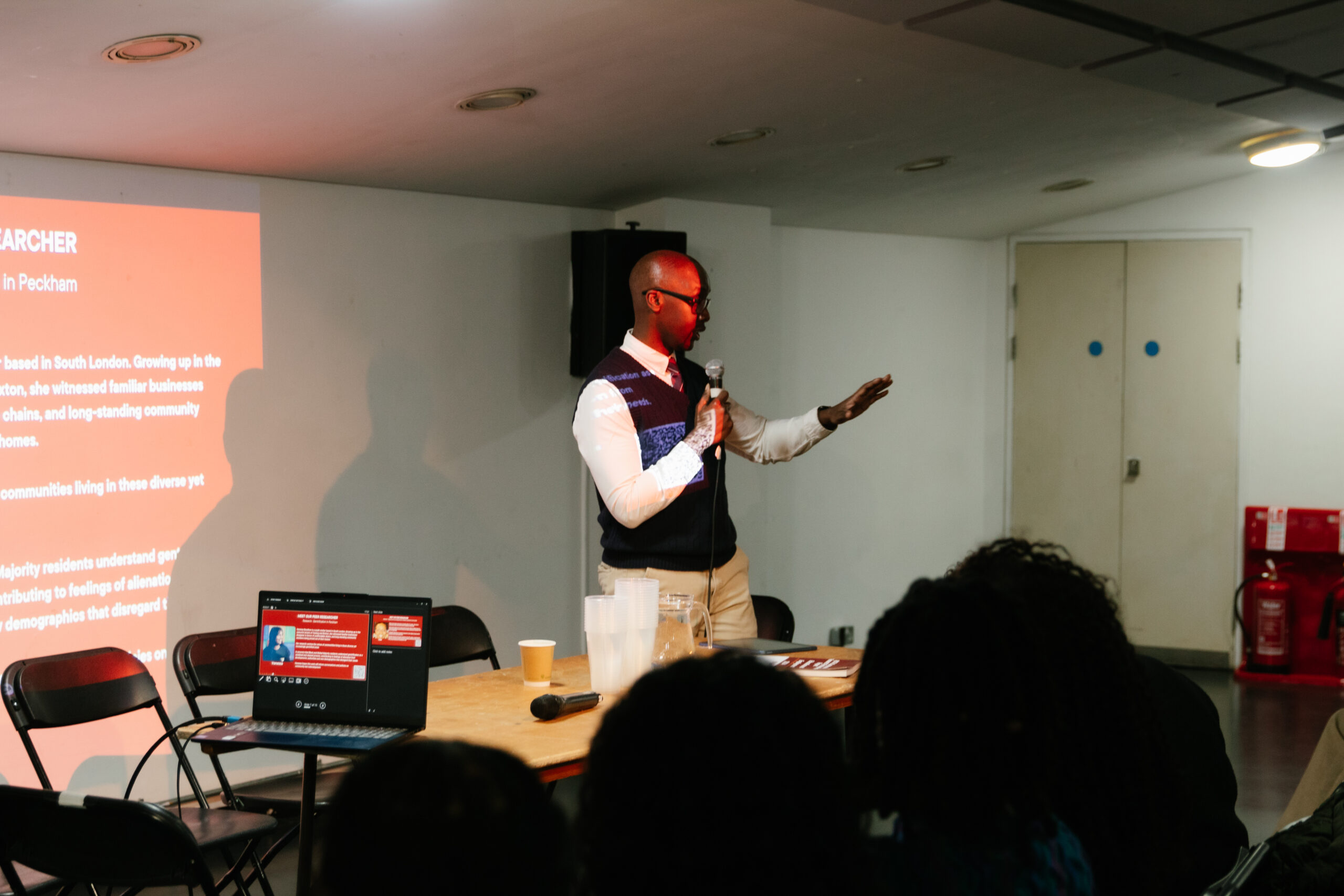
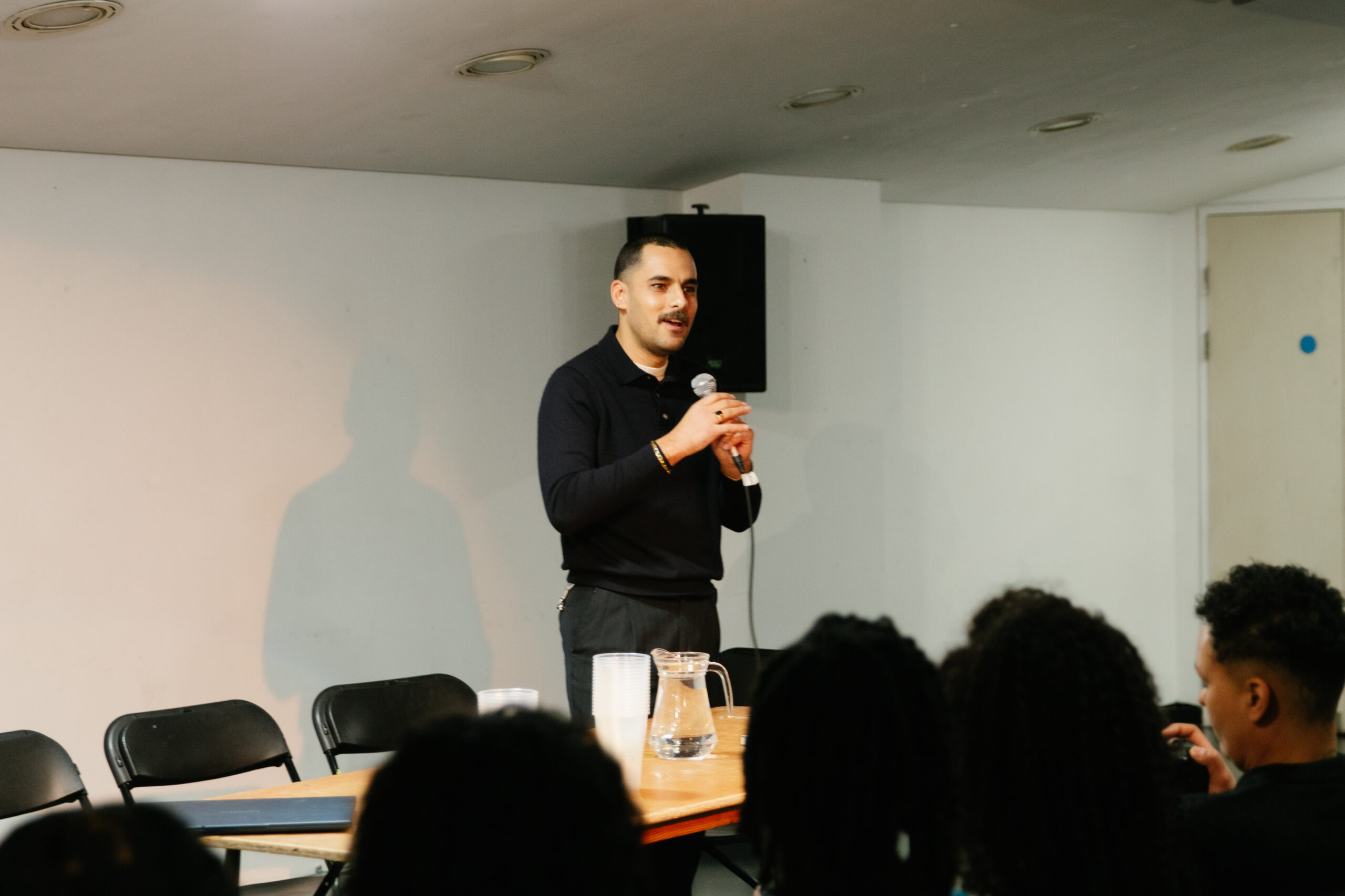
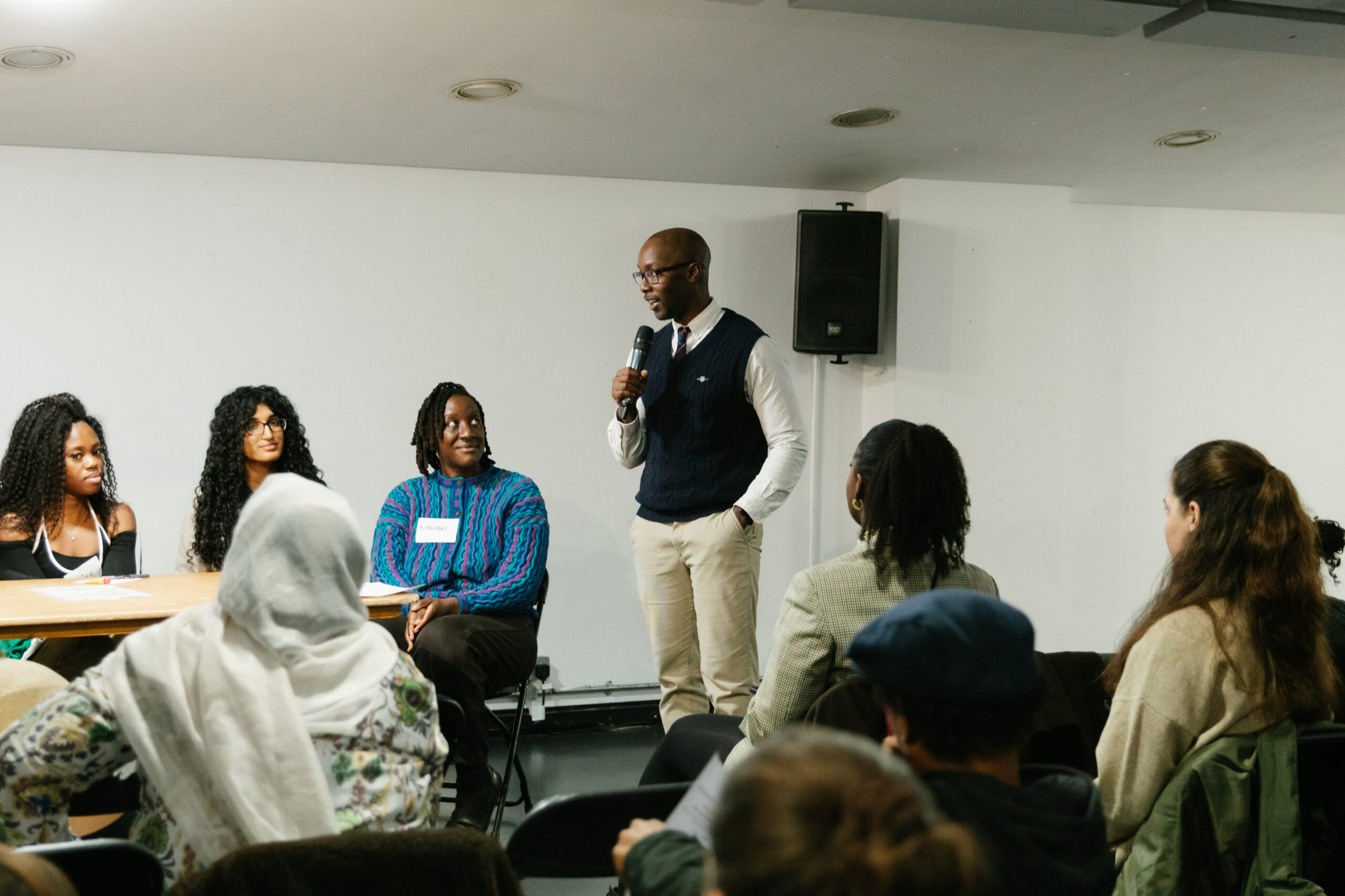
The event began with poignant reflections from our CEO, Matthew Johnson, on the power of community knowledge and the need to reimagine policymaking in London from the ground up.
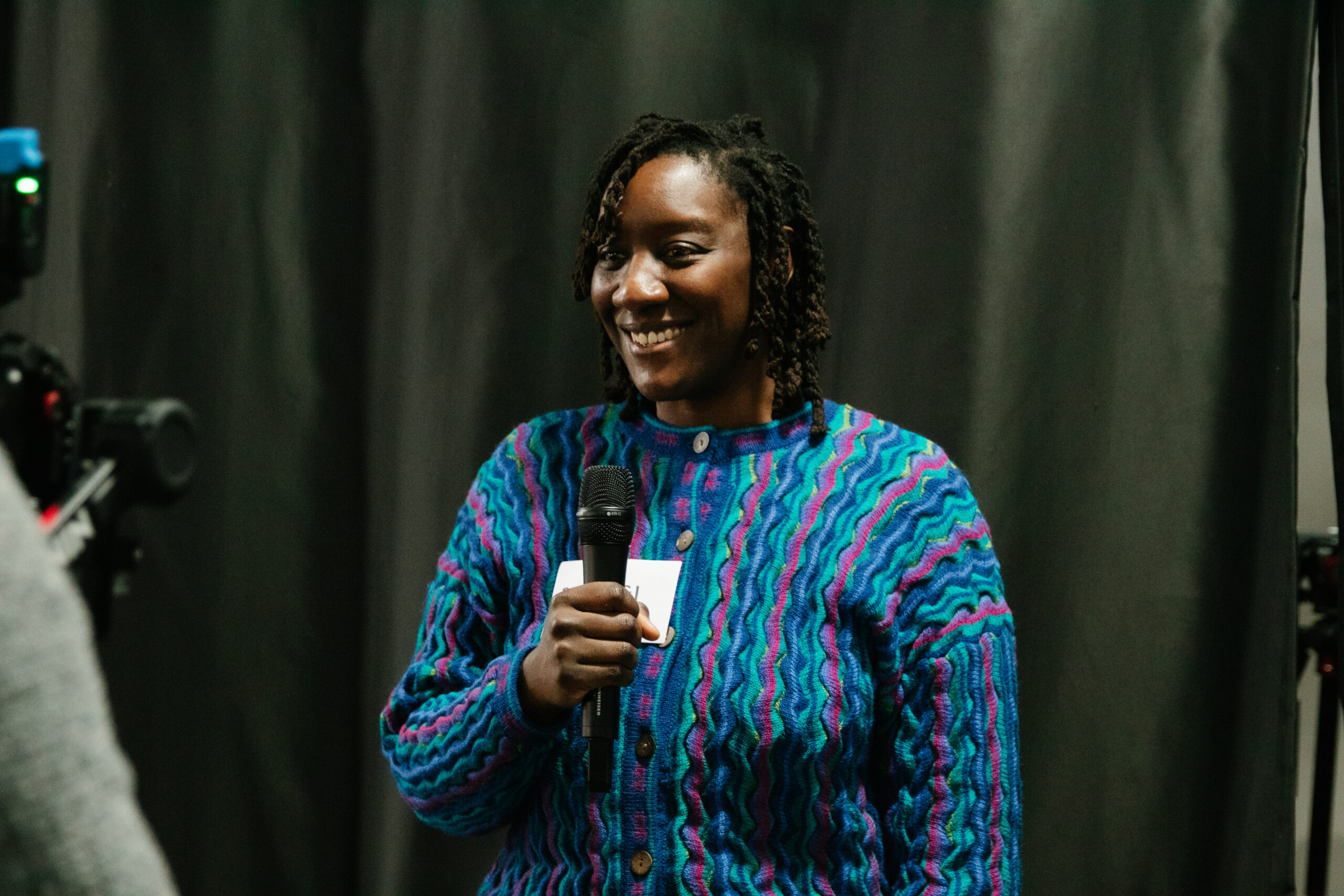
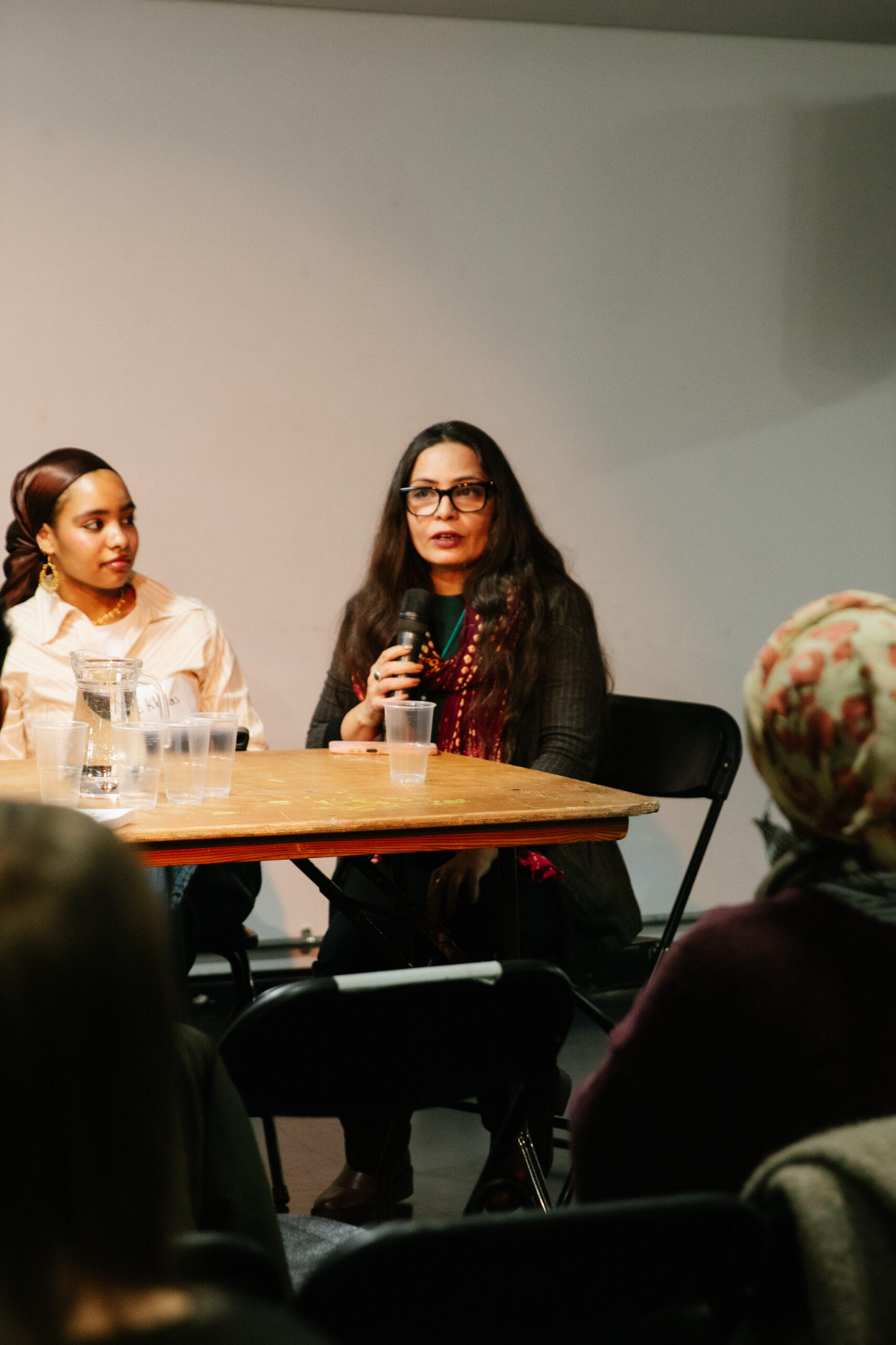
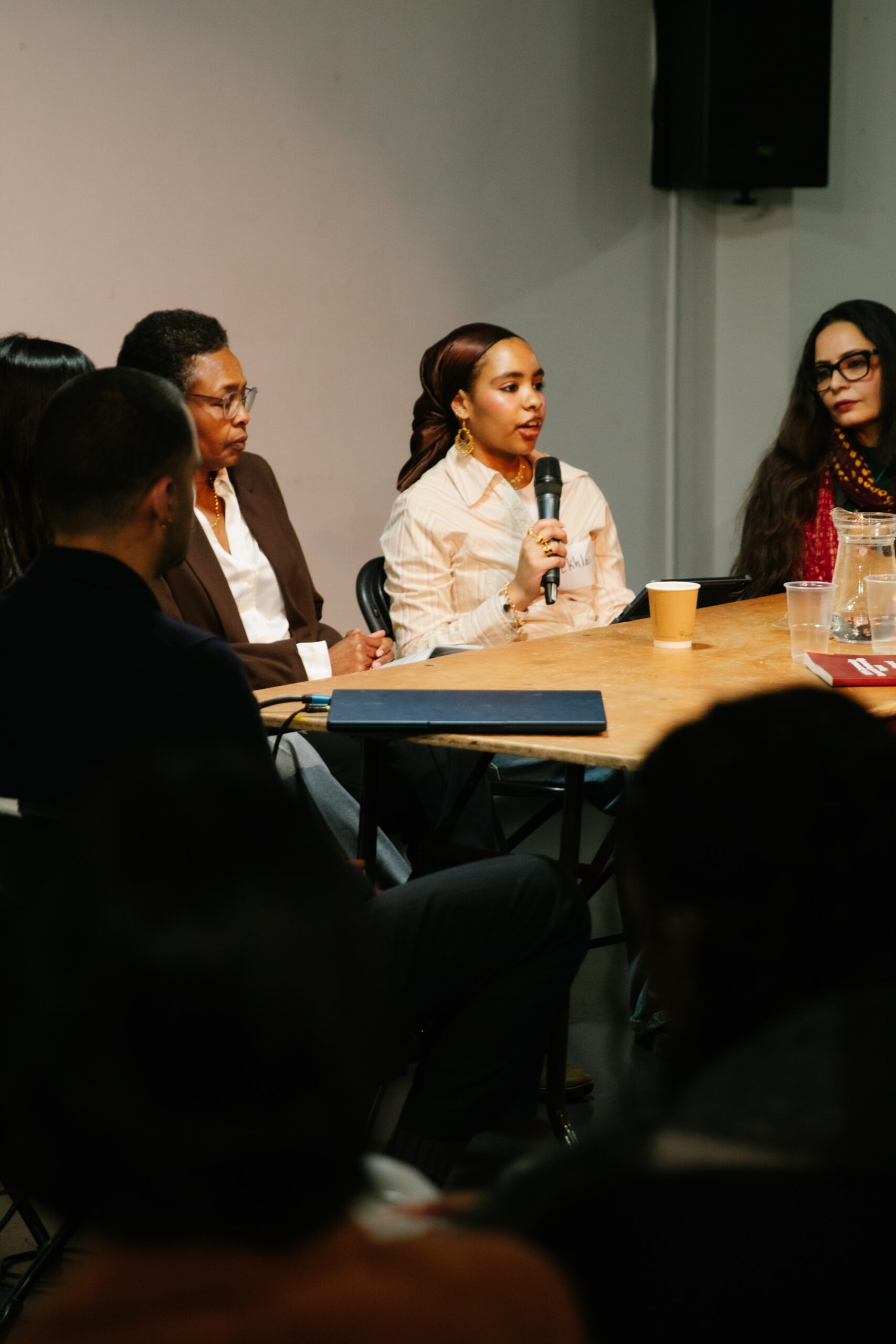
We then welcomed our first panel of Peer Researchers to the stage to discuss their work on issues in London’s housing sector. Yasna S. Khan outlined her research on the lived experiences of those living under No Recourse to Public Funds policies. Ekhlas Khadi shared details of her work on the mental health impacts of insecure housing for young LGBTQ+ Londoners from the Black and Global Majority Community. Fidaa Mahmoud discussed her research with British-Sudanese citizens displaced to the UK following the outbreak of civil war in Sudan. Vanessa Boodhoo spoke on her research in Brixton on the impact of gentrification for the Black and Global Majority community in Lambeth. And Hannah Chaaban shared details on her vital research with residents in a West London ‘contingency housing’ hotel for asylum seekers, highlighting serious issues with building maintenance, resident wellbeing, and staff conduct.
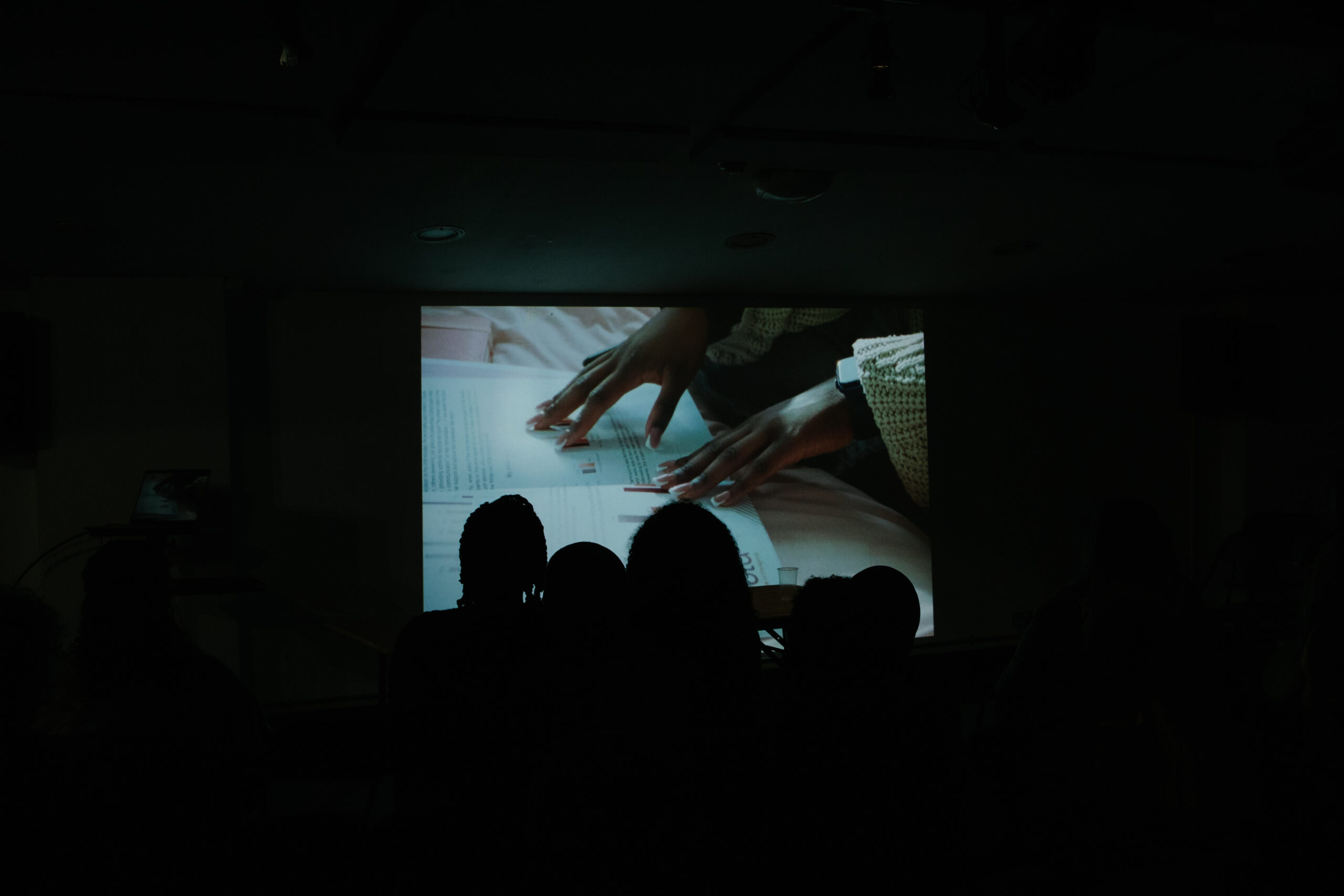
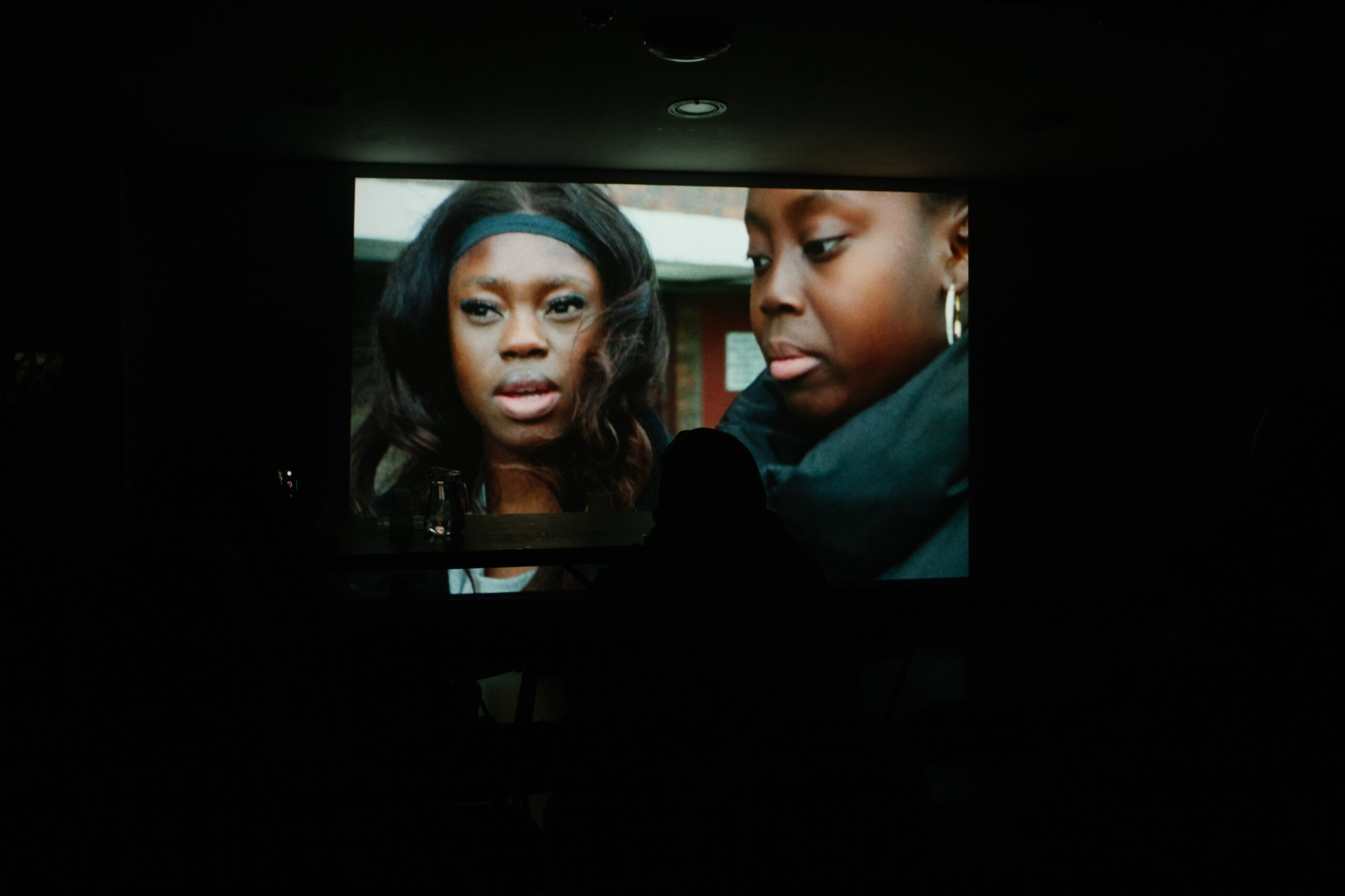
After a short break, attendees sat to watch the premiere of For My Sister – a short film directed by Mia Harvey and produced by Tolu Stedford, made with the generous support of the Media Trust. The film follows one of this year’s Peer Researchers, Xaira Olaifa- Adebayo, in their journey to conduct research on the mental health impacts of sickle cell disorder diagnoses for young Londoners from the Black community.
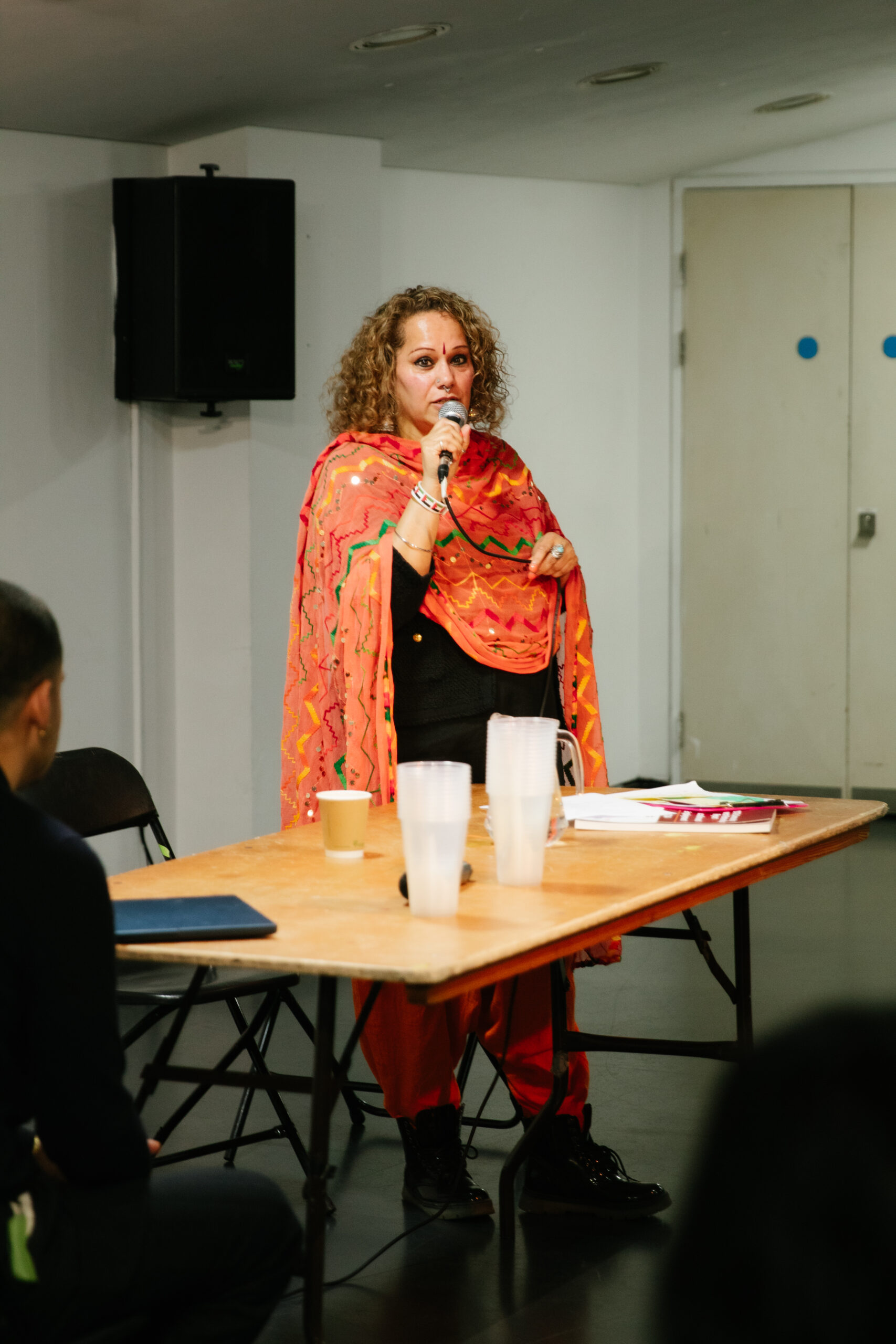
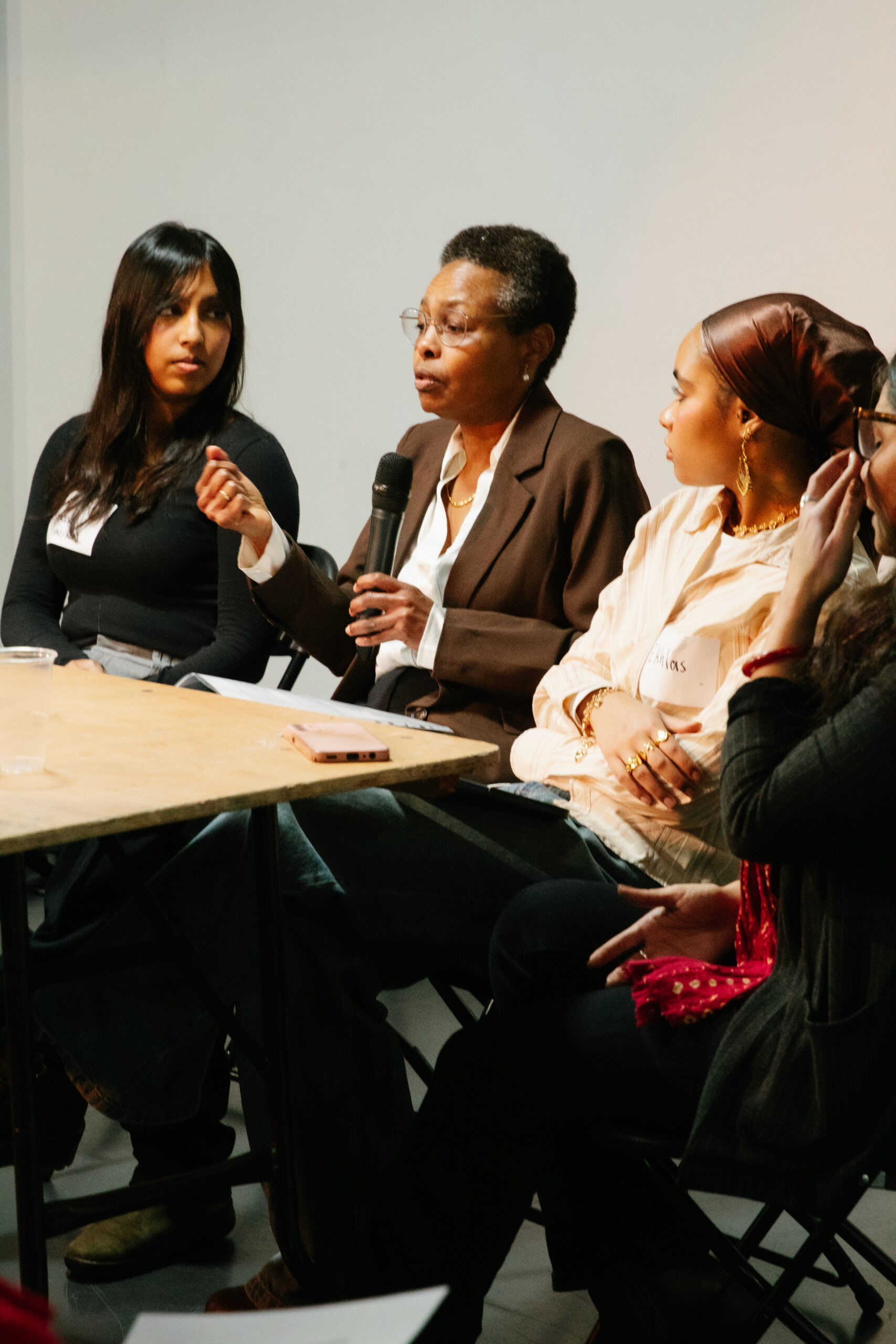
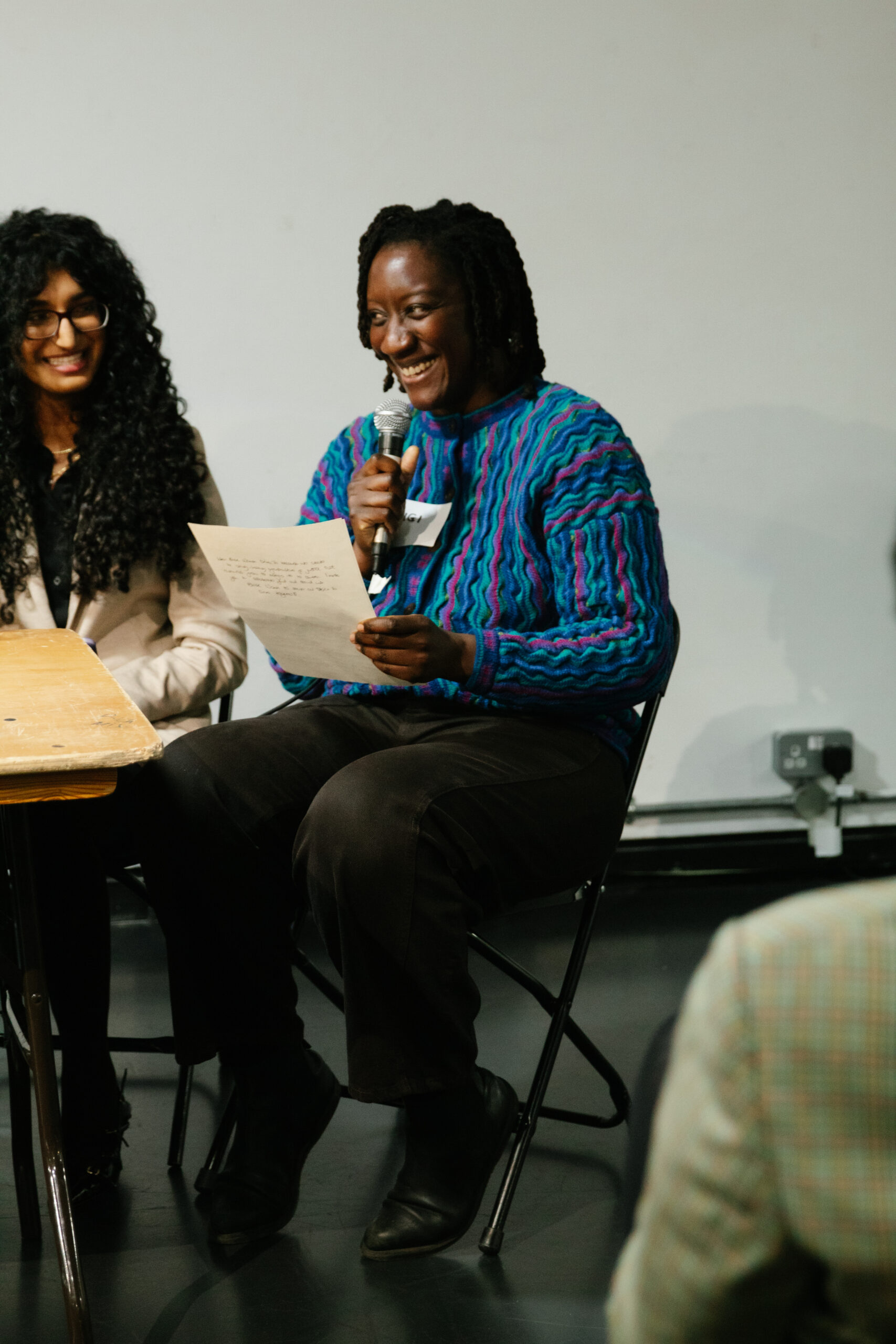
It was then time for the second panel, convened by ROTA associate Nikel Hector-Jack. Abigail Green spoke first, discussing her research with Black women with ‘hidden’ disabilities, and the impacts of healthcare failings and wider social biases. Anita Kambo then outlined her research on the perinatal mental health experiences of South Asian mothers, before Xaira discussed their work further. Aliza Mathew spoke about her work uncovering the mental health experiences of South Asian students in British universities. Finally, Birungi Kawooya closed the panel with some reflections on her time working with the Black Women’s Kindness Initiative, and highlighted the need for more funding and space to be given for creative practice for our communities.
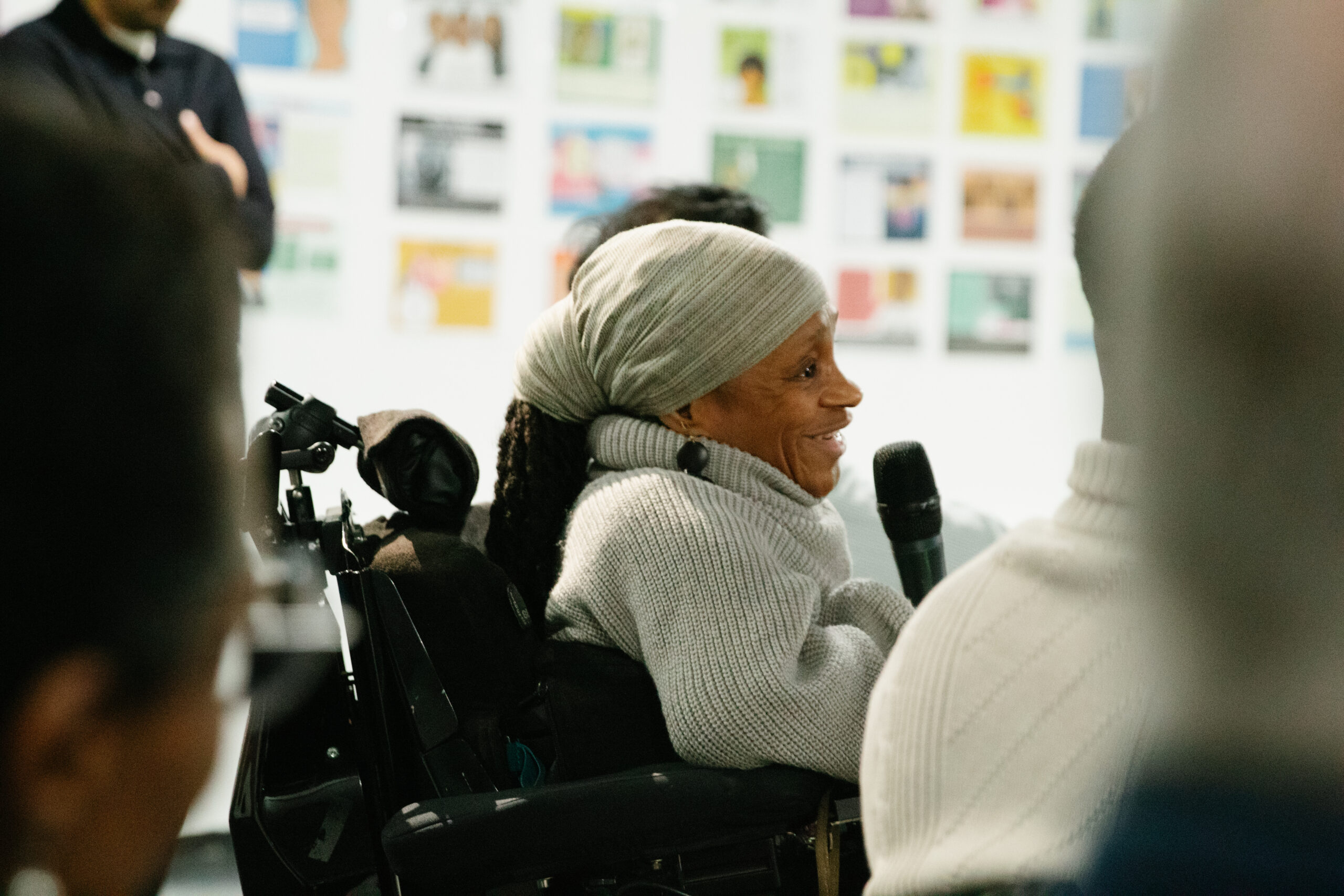
Q&A sessions after each panel were lively and engaged, sparking discussions that continued long into the evening.
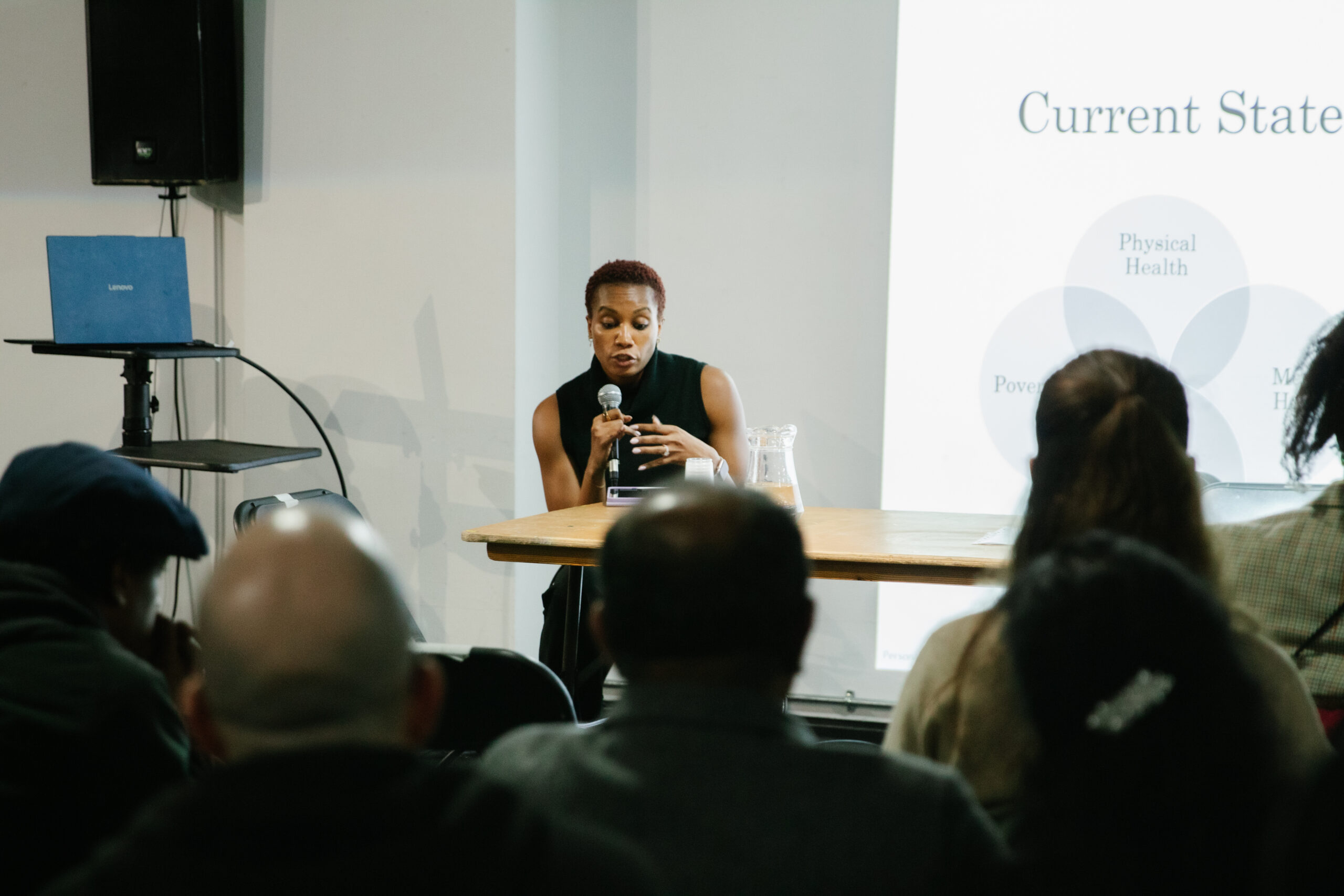
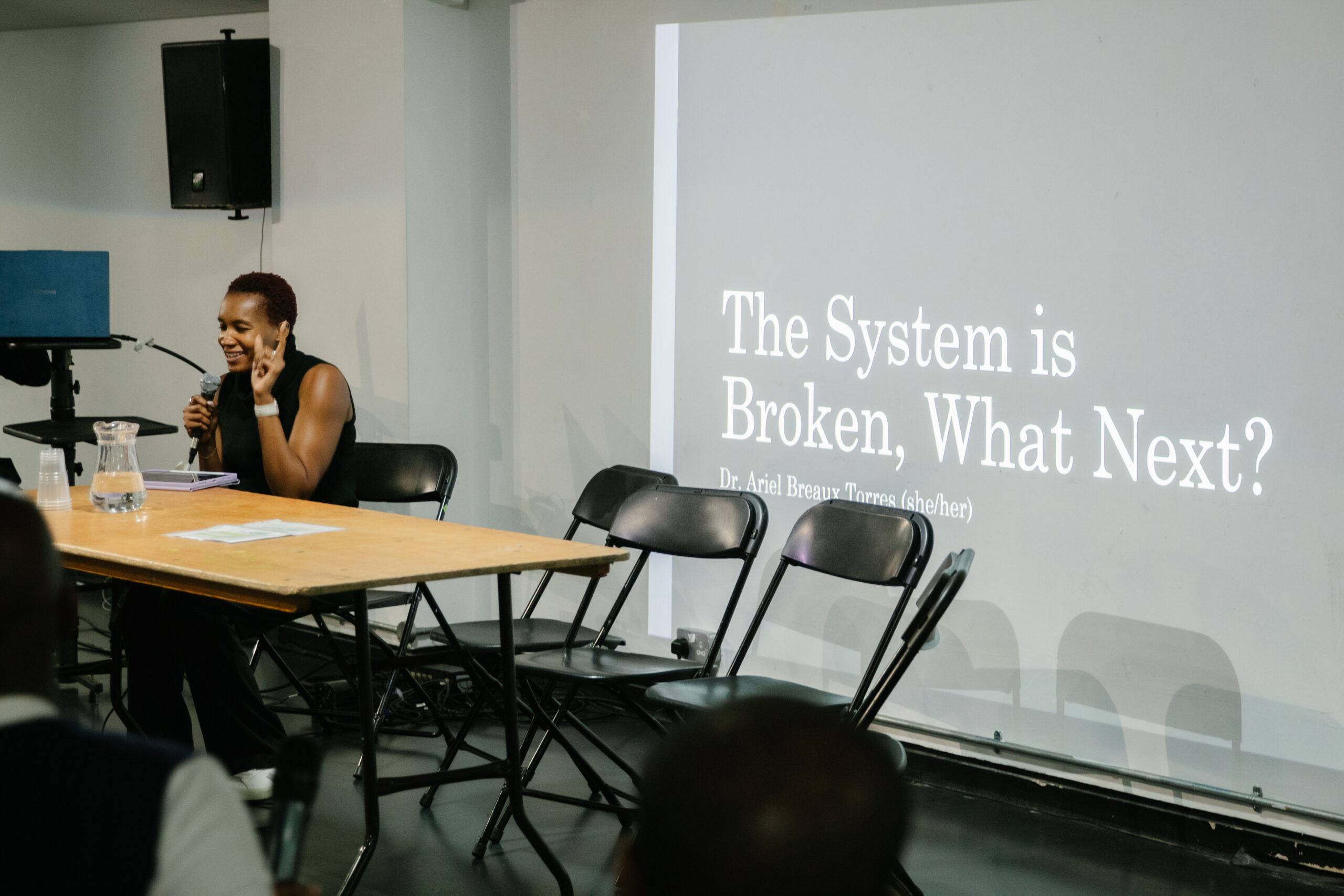
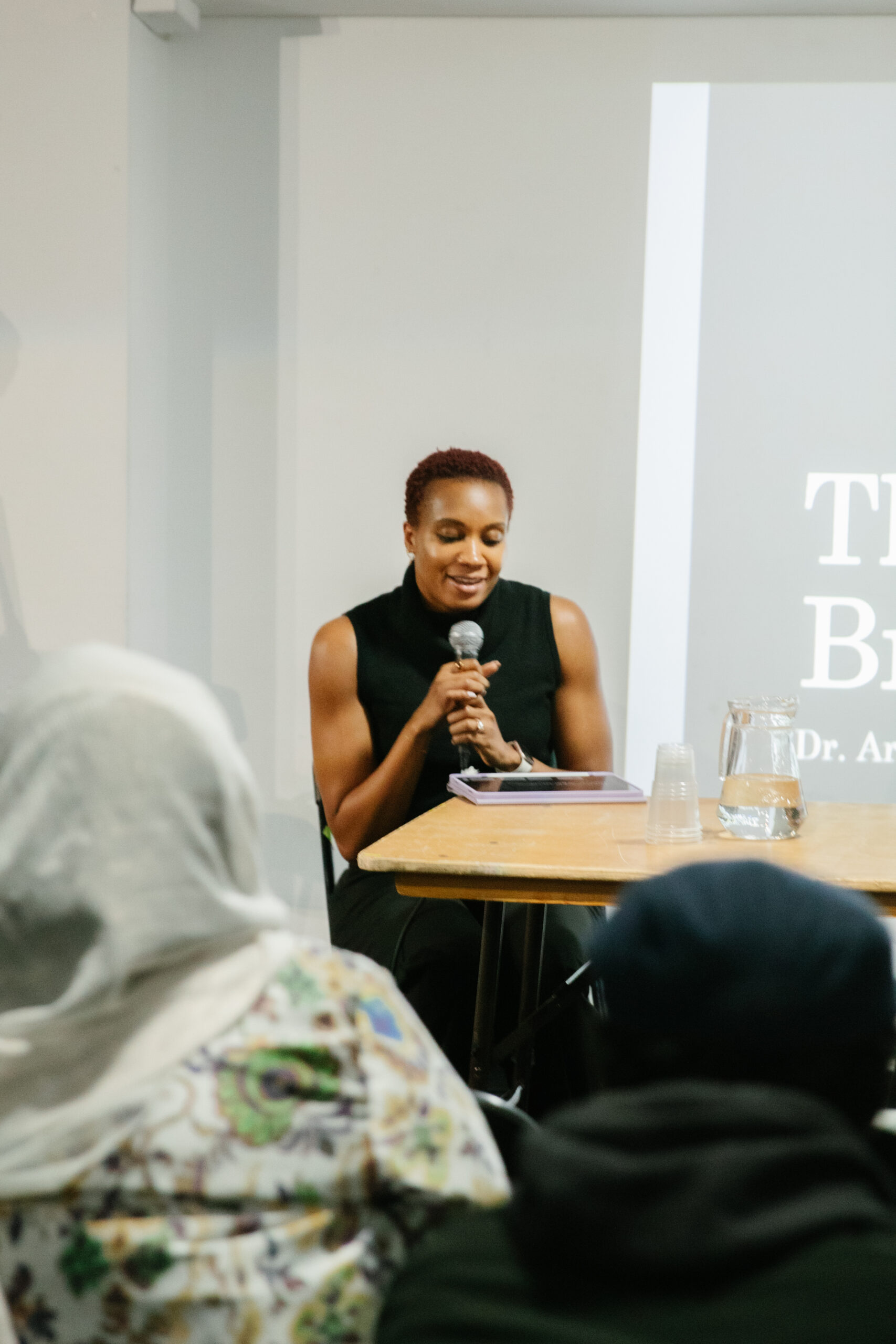
The conference ended with some words from our keynote speaker, clinical psychologist, abolitionist, ROTA trustee Dr Ariel Breaux Torres. Ariel spoke to the question on everyone’s lips following the panels: what next?
All of the work conducted and presented by our Peer Researchers is important, powerful, and necessary. Now, we need to work together to ensure that it is impactful, too. Their research provides a bedrock for us to start reimagining the housing sector, challenging decades-old patterns of neglect and discrimination, the exclusionary nature of No Recourse to Public Funds Policies and poor housing for migrant groups, the impacts of gentrification, and the lack of safeguards for some of our most vulnerable communities. The healthcare and wellbeing research our Peer Researchers carried out has also given us the tools to think more deeply on issues of medical discrimination and misdiagnoses, the importance of comprehensive mental health support, and the power of care rooted in community knowledge and identity.
This conference marked the end of the second year of the RCRP. But it also marked a new beginning for those of us working to reimagine London’s policy landscape for housing, healthcare, and wellbeing.
The work continues. Join us as we continue our journey to make the invisible visible.