

ROTA Community Research Partnership (RCRP)
Recruitment for the third ROTA Community Research Partnership, supported with funding from Propel and the City Bridge Foundation, has now begun.
We will be recruiting 10 Peer Researchers (PRs) to carry out research within their communities on the ways in which structural racism affects them, focussing on the themes of migration and the criminal justice system.
What is the RCRP?
The ROTA Community Research Partnership (RCRP) is the new flagship project from ROTA, which will take place over at least the next two years, enabled by funding from Propel and the City Bridge Foundation.
This project aims to explore the ways in which racial inequities affect the Black and other racialised communities of London. In order to do this, we will be establishing partnerships with individuals and organisations with direct lived experience of these inequalities.
ROTA will train 10 PRs, and co-design a programme of research with and for them to undertake, per year. This could involve, for example, handing out questionnaires to PRs local communities, or inviting a number of PRs peers to take part in research interviews. Both research and pastoral support will be available across the length of the programme.
It is hoped that this will both empower individuals and organisations to address and advocate for issues within their communities, and establish long-term partnerships across the diverse communities of London. We are committed to supporting intersectional research throughout the RCRP. Applications that explore the ways in which racial inequity interacts with other forms of discrimination, such as misogyny/misogynoir, ablism or homophobia, along with additional issues faced by care leavers or looked after children, for example, will therefore be favoured. Please get in touch with us if you have any questions about intersectionality, or whether your proposal addresses intersectional themes.
Our RCRP Researchers
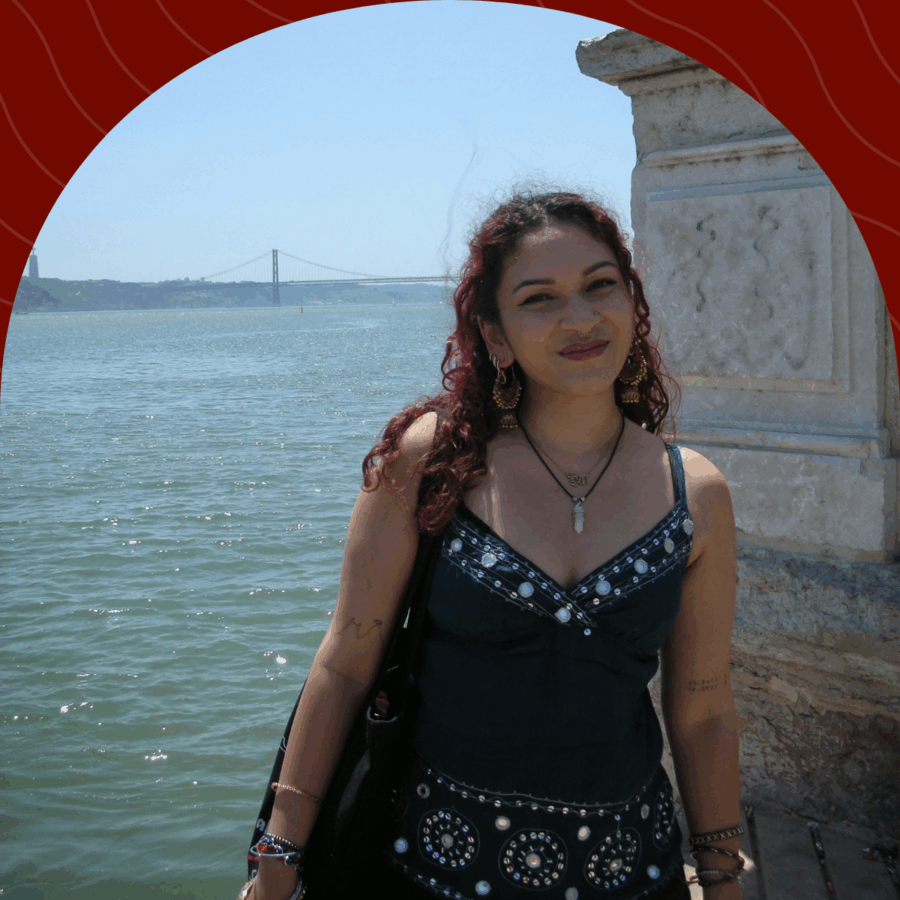
Isha Negi
I was able to learn so much through the partnership, both in terms of skills gained, but also my personal development. I feel more confident in calling myself a researcher.

Jamila Thompson
ROTA are committed to the cause and to the community and so, working on this project I think is only the beginning for those who want to continue with community research. I think you get as much out of the experience and opportunity as you put in!
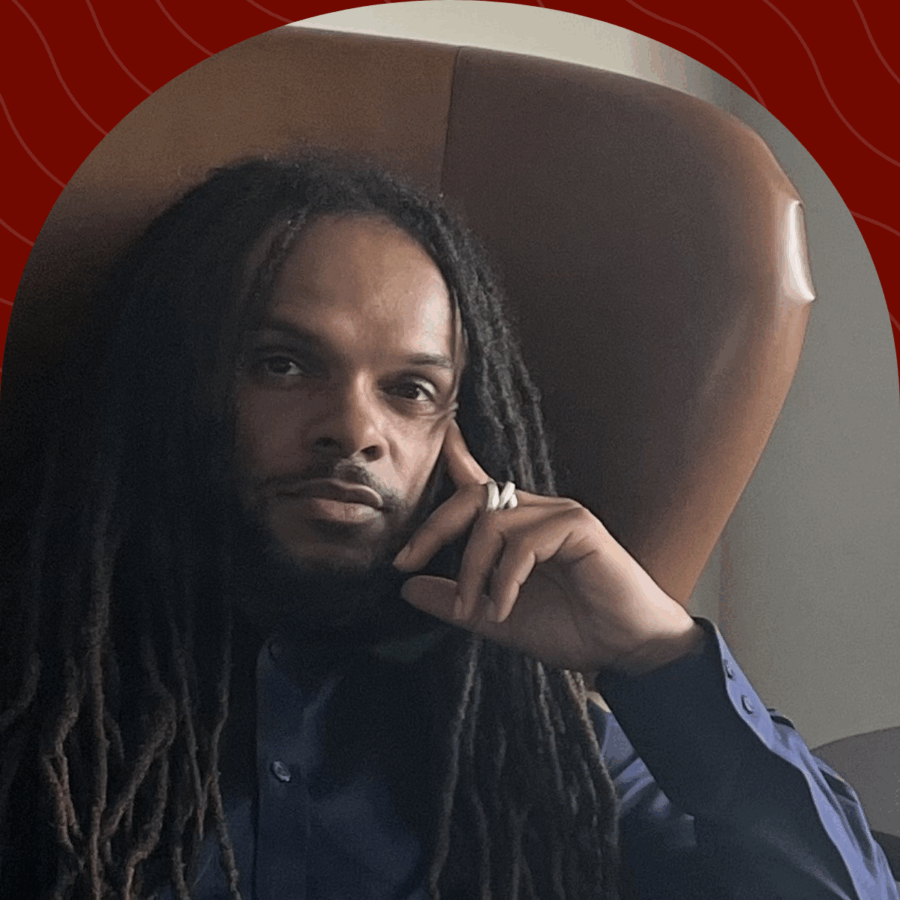
Kwesi Ochosi
The impact of being platformed by the RCRP initiative has been swift and deep. Since the publication of our report, I have been able to cite our work in several places, including the UN Offices in Geneva and New York, and within the UK Parliament.

David Kennedy
After months of hard work, I came away with a better understanding of my field and a set of recommendations how to make positive change for the next generation.

Stella Abu
The partnership with RCRP has strengthened my understanding of inclusive research practices and highlighted the importance of collaboration to drive meaningful change.

Abigail Green
Abigail is a Senior Equality, Diversity and Inclusion Officer (Race Equity and Intersectionality Initiatives) at a UK higher education institution, where her work focuses on advancing race equity through an anti-racist and intersectional lens. She brings experience from the Violence Against Women and Girls (VAWG) sector and the NHS, contributing to work addressing health disparities and promoting equitable outcomes for marginalised communities.
Abigail is the Patient Co-Chair of the UK Renal Health Data Research Network and volunteers with Kidney Research UK, where she is a committed advocate for kidney health, care, and storytelling as a tool for empowerment, with a particular focus on the lived experiences of Black women with Chronic Kidney Disease (CKD).
Drawing on her own lived experience of CKD, Abigail is passionate about amplifying unheard voices and building authentic spaces of belonging and community for Black and Global Majority women living with chronic conditions.
She also draws on academic expertise in culture, diaspora, social justice, and education to inform her work on equity, representation, and meaningful change.
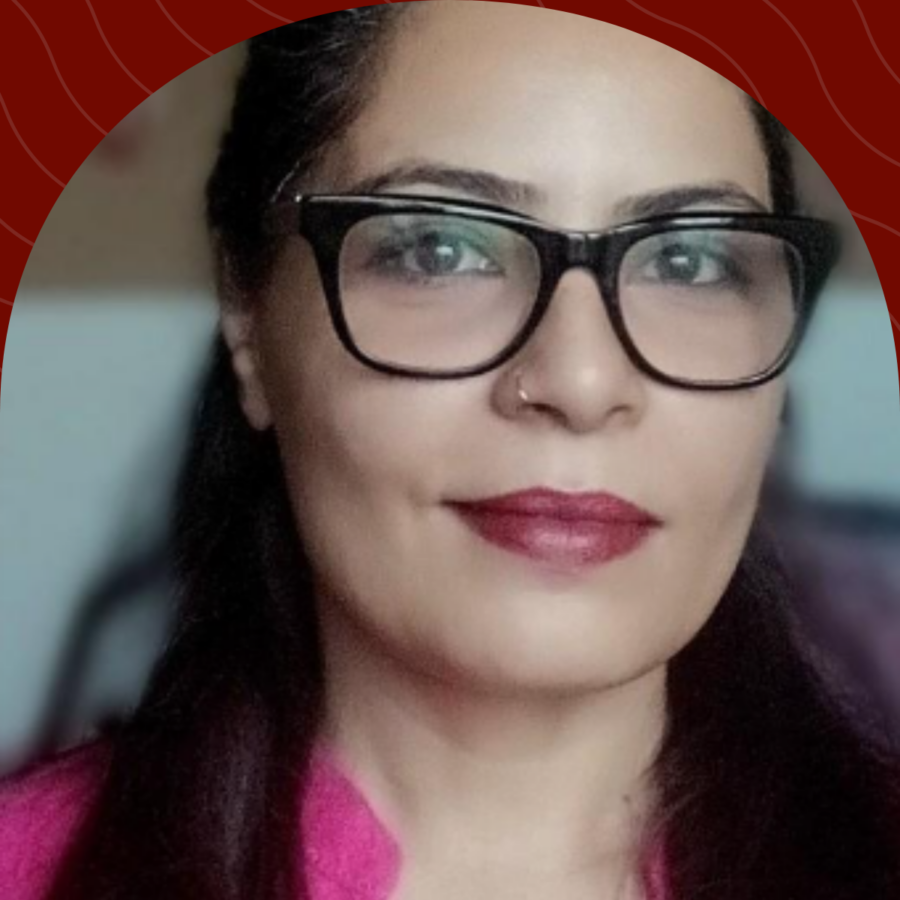
Yasna S. Khan
Yasna is a community organiser and community researcher, working at the intersection of lived experience, organising, and research with families affected by No Recourse to Public Funds policies. Through their research with ROTA, Patterns of Oppression: Housing Insecurity and Its Impact on Health and Wellbeing under NRPF, they trace how patterns emerging across lived experience and existing evidence demonstrate that housing insecurity under NRPF is not incidental, but structurally produced.
The findings show how this condition systematically shapes physical health, mental wellbeing, and family life, particularly for women and children.
The intended impact of their research is to strengthen the existing evidence base, support earlier and more humane intervention, and ensure lived experience meaningfully informs policy and practice.

Aliza Mathew
Aliza Mathew, is a second-year Global Health student at King’s College London.
As a South Asian woman, she noticed a lack of mental health research focused on her demographic, despite the community’s limited engagement with formal services and poorer treatment outcomes.
She believes that social and cultural experience is hugely complex and can shape how we seek help. This inspired her research exploring university-aged South Asian women’s experiences with services to understand help-seeking behaviours.
Through these findings, she hopes to share the interconnected nature of help-seeking and influence improvements in the cultural-sensitivity of services to make help more approachable.
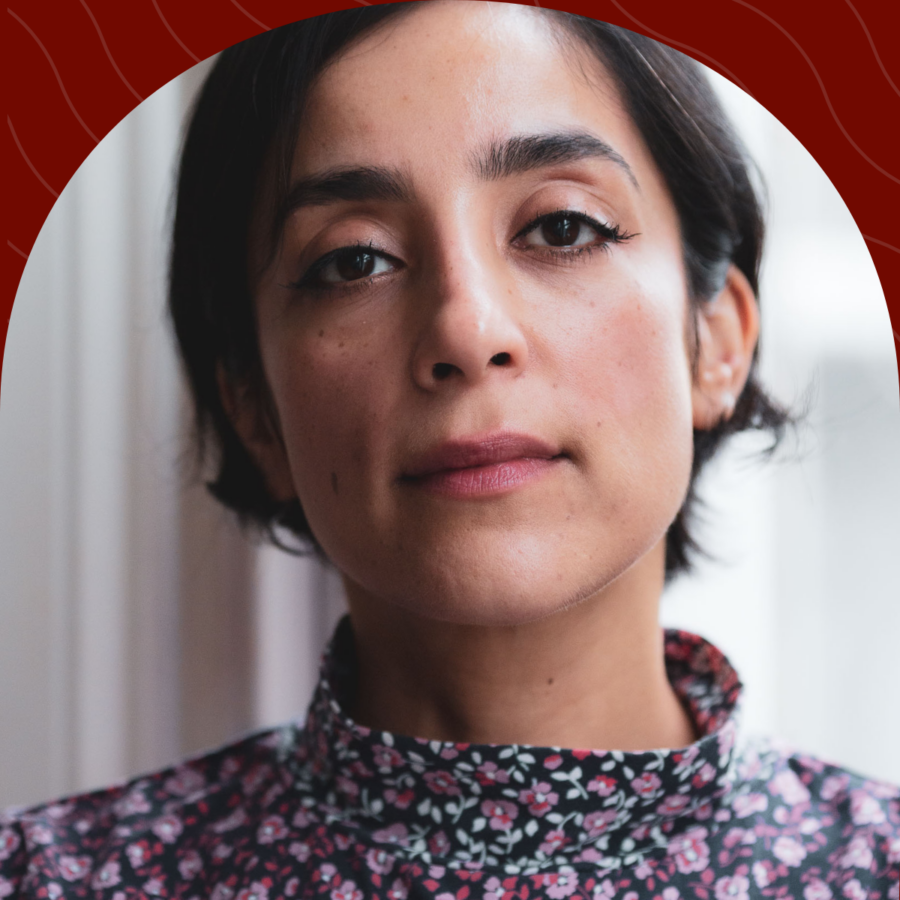
Anita Kambo
Grounded in the belief that people and communities hold the expertise to shape the systems that serve them, Anita facilitates the conditions to ensure their voices are meaningfully and fairly represented within research, policy and decision-making.
Anita’s research takes a trauma-informed approach to explore the perinatal mental health experiences of South Asian mothers.
Her findings aim to tackle the root causes of health inequalities and drive urgently needed change for:
· joined-up maternity and perinatal mental health care systems
· cross-sector cohesion including public healthcare, local authorities and VCSEs
· accessible, safe and equitable care
· compassionate, relational care that is culturally responsive iament.
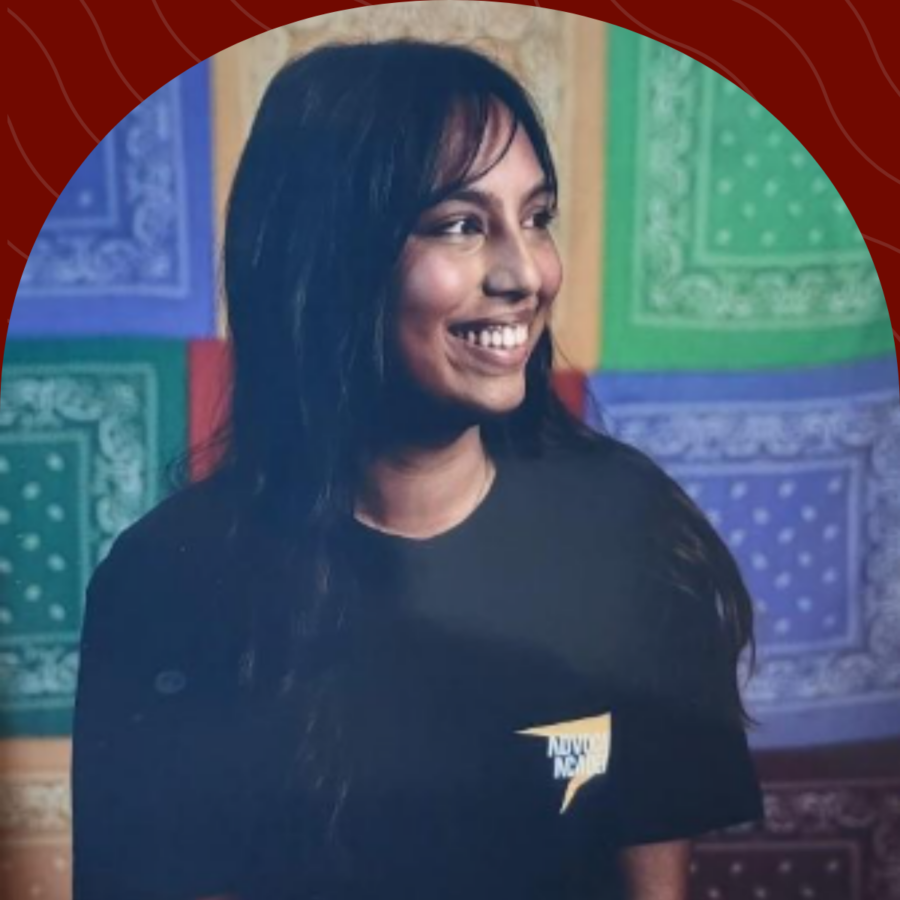
Vanessa Boodhoo
Vanessa Boodhoo is a youth worker based in South London. Growing up in the colourful streets of Tooting and Brixton, she witnessed familiar businesses disappear in favour of unaffordable chains, and long-standing community members being priced out of their homes.
Her research centres the voices of communities living in these diverse yet increasingly gentrified areas.
It uncovers that Black and Global Majority residents understand gentrification as a racialised and classed process, contributing to feelings of alienation from developments, authorities and new demographics that disregard their needs.
Vanessa hopes this work will inform conversations and policies on community-led redevelopment
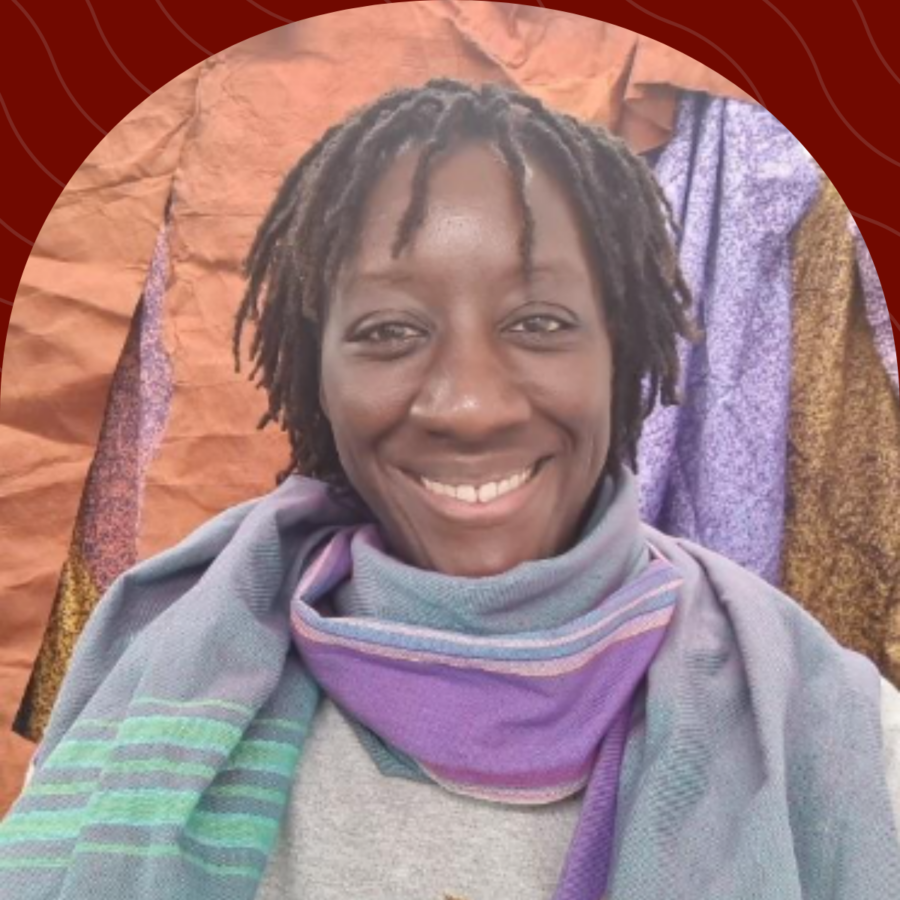
Birungi Kawooya
Birungi Kawooya is a wellbeing and liberation researcher, creative practitioner, and artist.
As a peer researcher, facilitator, and participant in the Create in Mind art programme for the Black Women Kindness Initiative, she witnessed and advocates for the transformational healing that emerges within Black women-led mindful art spaces.
Fidaa Mahmoud
Fidaa is from Sudan and works as a housing officer in London . She is also a community activist, with main interest in migration and housing.
This research explores the housing and the broader effects of displacement on health and wellbeing of people arriving from Sudan following the outbreak of the war on 15 April 2023.
It highlights disparities in treatment compared to other migrant groups and the resulting mental health implications.
The ideal outcome for the report would be for the UK to adopt a comprehensive Sudanese resettlement scheme that mirrors existing resettlement plans offered to other groups arriving from humanitarian crisis.
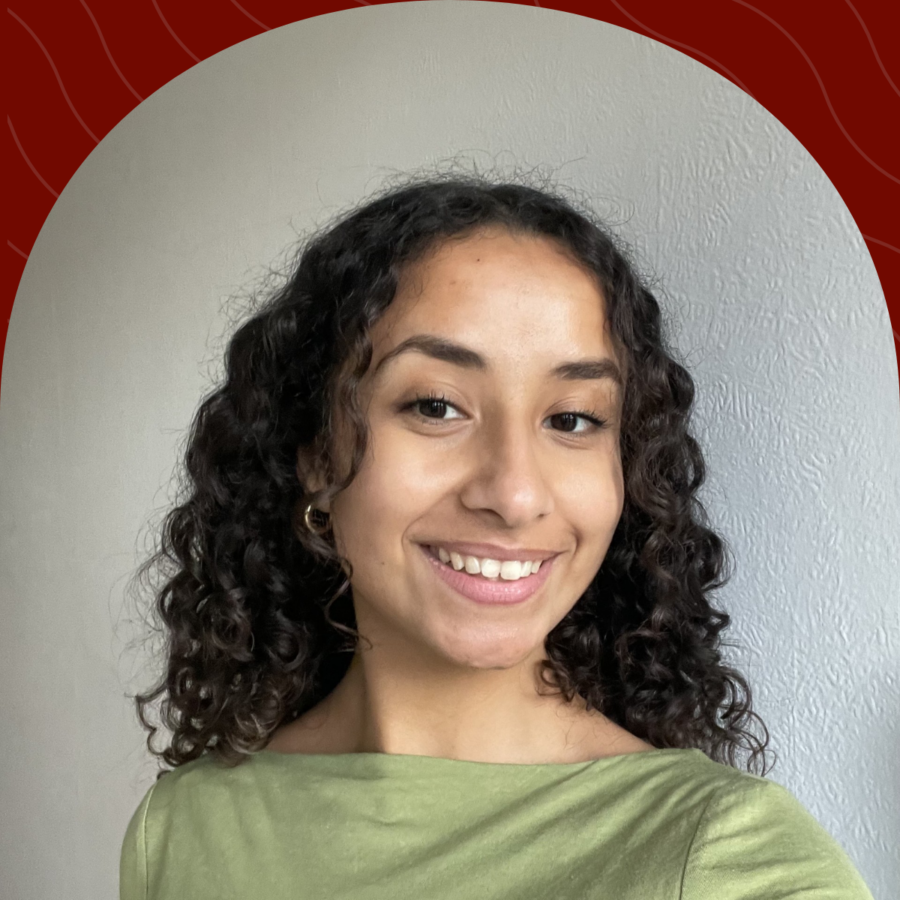
Hannah Chaaban
Hannah is currently studying a masters in Race, Ethnicity and Postcolonial Studies.
Hannah research uses participant interviews to investigate the lived experience of asylum seekers in hotels. Primarily, it focuses on issues surrounding food, physical & mental health, treatment by staff, and building maintenance.
It reveals systemic dehumanisation and institutional neglect towards asylum seekers.
The ideal outcome of this research would be an end to the use hotels and systemic change that humanises asylum seekers, giving them agency and providing them with much needed care.

Ekhlas Khadi
Ekhlas Khadi, is a Global Health and Social Medicine student at King’s College London with a passion for tackling inequality.
Ekhlas’s research explores how housing insecurity affects the mental health of young Black LGBTQ+ Londoners.
They focus on the need for safe, supportive housing and accessible, culturally competent mental health treatment.
The ideal impact for this research is to inform policies and services that ensure young Black LGBTQ+ Londoners have both secure homes and the mental health support they need to thrive.

Xaira Olaifa-Adebayo
Xaira is an interdisciplinary researcher and artist, specialising in cultural and art histories, and medical sociology. They have a Bachelors in History and a MsC in African studies.
They have had the opportunity to work with think tanks and intellectual organisations such as TACO, Museum of Oxford, and Thinking black.
Subsequent publications include “Widening the archive of space, race and racialised violence: the local histories of Thamesmead, Bexley and Greenwich”, and “Protest in the Archives: The history of anti-racist protest in Oxford’s History.
Xaira’s RCRP research focusses on the impact of Sickle Cell Disorder diagnoses on the mental health and wellbeing of members of London’s Black community.
She has also been working with the Media Trust and ROTA to produce a short film about their research, directed by Mia Harvey, which will be premiered at the RCRP report launch event.
Project reports
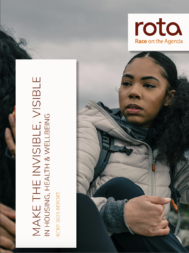
The project reports from Year 1 and Year 2 are available below.

How do I apply?
Complete the online application form available here. Applications for 2026 are now closed.
Please subscribe to our mailing list HERE or follow our social media channels to be informed of new opportunities.
How will my application be assessed?
Your application will be assessed according to the below criteria:
Proposal (50%) We will consider the ways in which: (i) your proposed research will benefit intersectional communities of Londoners; (ii) the importance and timeliness of your proposed research; (iii) your ideal research outcomes; (iv) the feasibility of your proposed research, given the short research and training periods; and (v) how your research fits in with ROTA’s current strategic priorities.
Fit with research themes (20%) We will also look at the ways in which your proposed research: (i) fits into the stated research themes; and/or (ii) incorporates both research themes. Applicants are encouraged to consider the ways in which their research could incorporate both research themes, although strong examples only addressing either theme will be considered equally.
Your connection to research participants (10%) We will look at the extent to which applicants have a strong connection to the communities that they hope to research, and their ability to predict any issues with participant recruitment.
Partnership opportunities (20%) As a membership organisation, ROTA are always looking for ways to expand our community, and to draw in a wider range of perspectives. As such, we will be looking into: (i) the alignment of applicants and/or their organisations with ROTA’s aims and priorities; and (ii) the intersectional diversity of PRs, and/or their organisations community or service users.
For any queries about the project, please contact Kulvinder and Taranjit at rcrp@rota.org.uk.
Project funded by